Tsum Valley Trek
Duration
Tour Type
Explore Tours
Country
Nepal
Duration
11
Trip Grade
Moderate to Challanging
Best Season
Spring/ Autumn
Altitude
3700 m / 12139 ft
Group Size
2-15
Accomodation
Tea House
Activity
Trekking & Hiking
Trek Style
Tea House
Transportation
Overland
Culture
Sherpa
Himalayan Sight
Ganesh Himal Range, Pabil, Shringi
Range
Ganesh Himal
Overview of the Tsum Valley Trek: A Journey into Nepal’s Hidden Sacred Sanctuary
Tsum Valley Trek is Nestled in the remote northern reaches of the Gorkha district, the Tsum Valley—often called the “Hidden Valley of Happiness”—is one of Nepal’s most spiritually and culturally significant trekking destinations. This restricted area, bordering Tibet, remains steeped in ancient Tibetan Buddhist traditions, with a history dating back thousands of years.
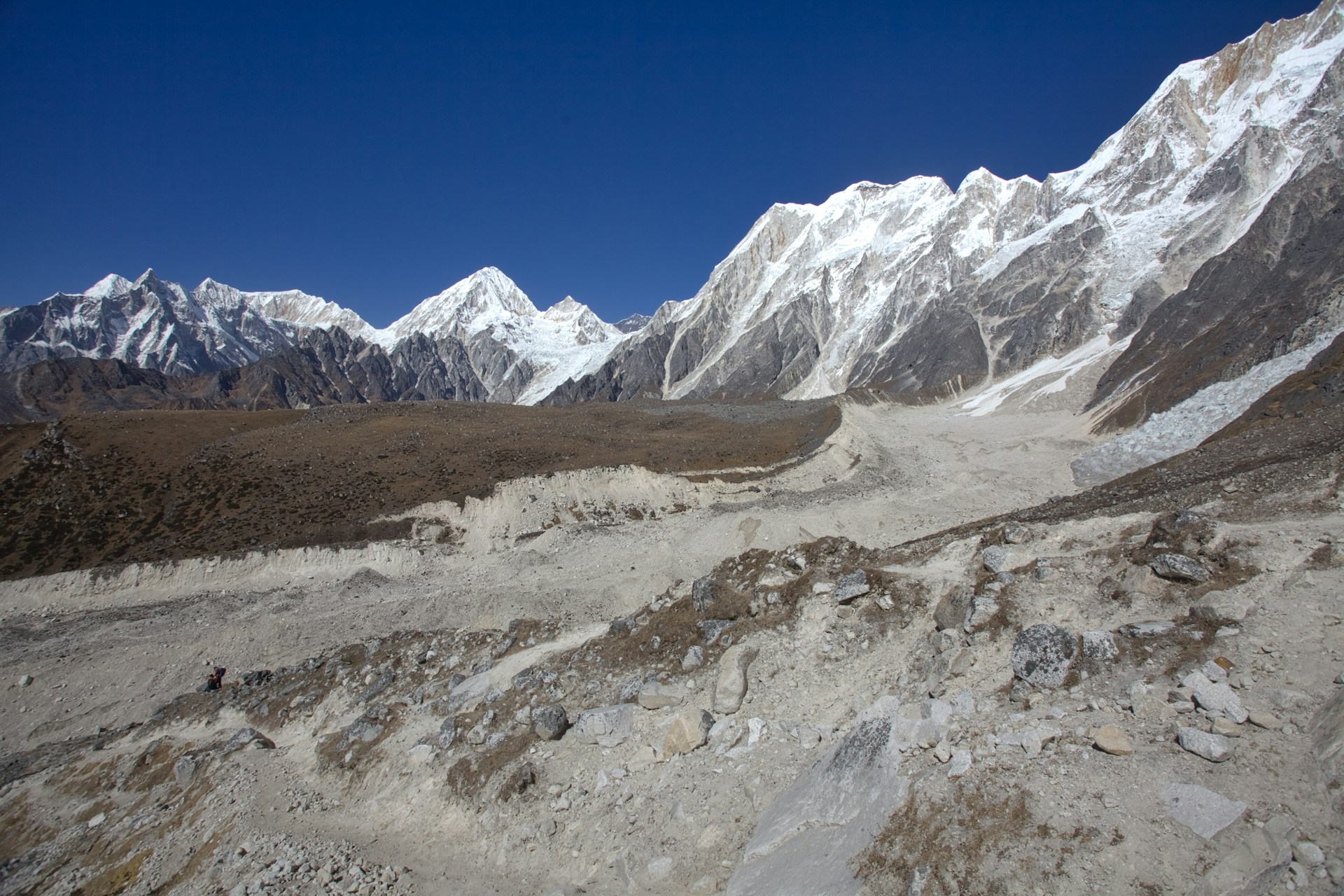
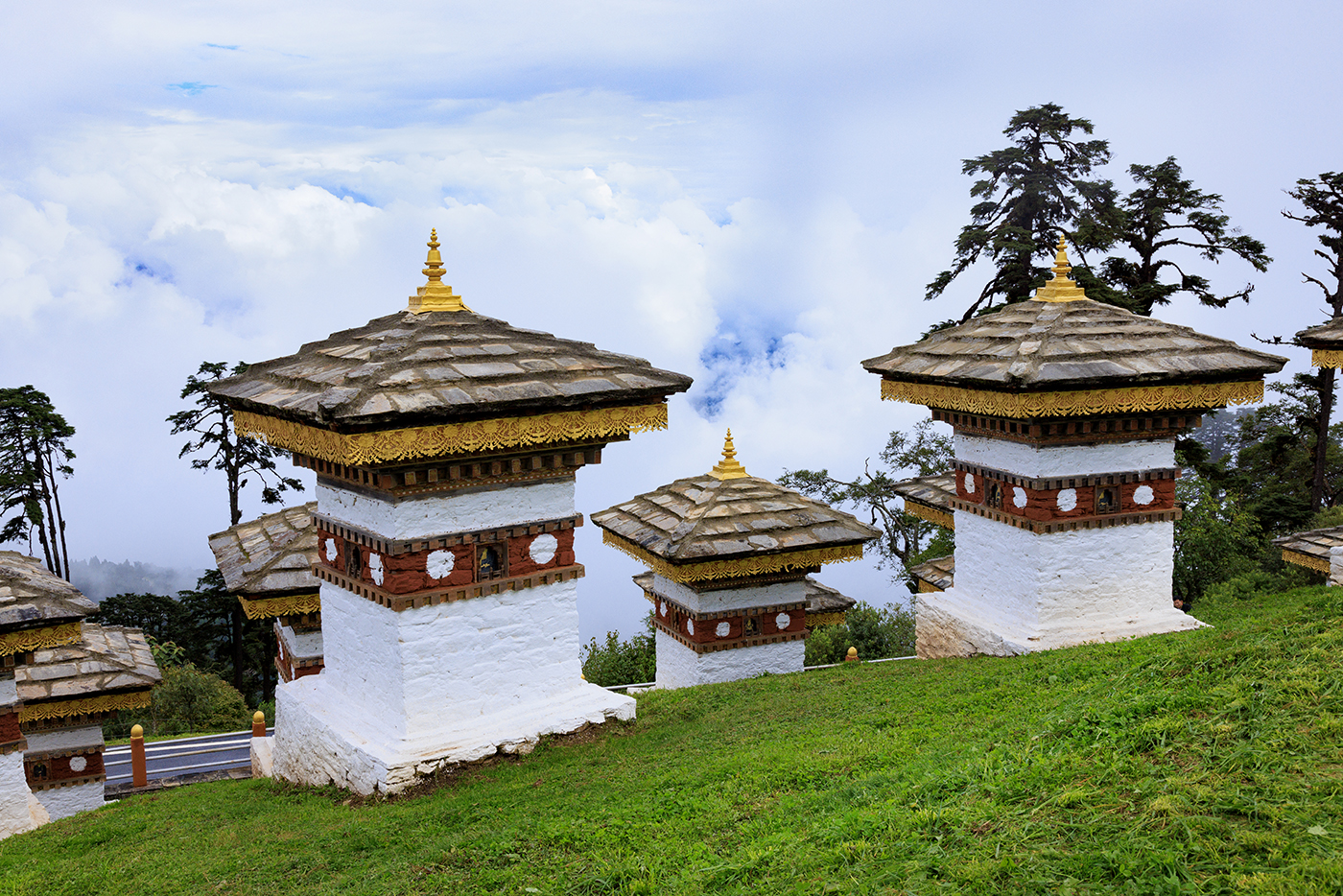
The valley is revered as Beyul Kyimolung—a sacred Himalayan sanctuary believed to have been blessed by the Buddhist saint Milarepa. Trekkers here are treated to a unique blend of untouched natural beauty and profound cultural immersion, walking through landscapes adorned with towering mani walls, intricately carved prayer stones, and centuries-old monasteries, all set against the breathtaking backdrop of the Ganesh Himal and Sringi Himal ranges.
The Tsum Valley Trek typically spans 10–16 days, beginning with a scenic drive from Kathmandu to Machha Khola and progressing through lush river valleys, terraced farmlands, and dense rhododendron and pine forests. added in famous Manaslu Base Camp Trek.
Tsum Valley Trek Difficulty: A Challenging Himalayan Journey
The Tsum Valley Trek is considered a moderately challenging to difficult adventure, ideal for trekkers with prior Himalayan experience and good physical fitness. Its difficulty stems from the combination of remote and rugged terrain with steep, rocky trails, daily walks of 5-7 hours, and a maximum altitude of 3,700 meters at Mu Gompa which requires careful acclimatization. While less technically demanding than some high-altitude passes, the trek’s remote nature, basic teahouse facilities, and limited infrastructure make it significantly more challenging than popular routes like Annapurna Base Camp. Proper physical preparation, a well-paced itinerary with acclimatization days, and realistic expectations about basic amenities are essential for successfully completing this incredibly rewarding journey through one of Nepal’s most culturally rich and secluded Himalayan valleys.
Tsum Valley Trek, Once in a lifetime Journey
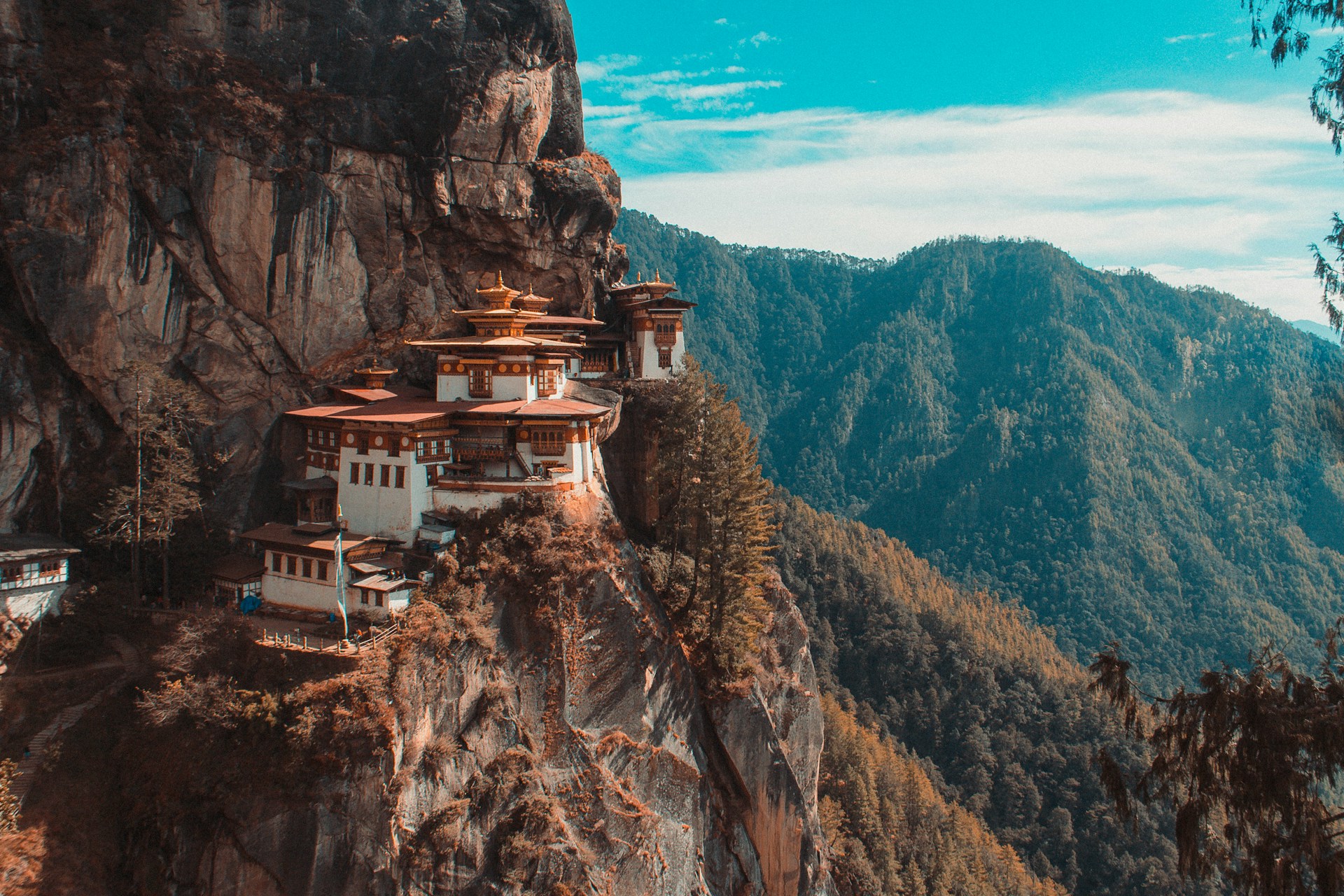
It can be As trekkers ascend, they pass through traditional villages like Jagat, Lokpa, Chumling, and Nile, each offering a glimpse into the rich cultural tapestry of the local Tsumba people, whose lifestyles and traditions have remained largely unchanged for generations. A major highlight of the trek is the visit to Mu Gompa, the valley’s largest and highest monastery (3,700m), where travelers can witness ancient Buddhist rituals, explore sacred texts, and absorb panoramic views of the surrounding Himalayan peaks.
What sets the Tsum Valley Trek apart from more popular routes like the Annapurna or Everest circuits is its sense of seclusion and spiritual tranquility. The trail sees significantly fewer visitors, allowing for a more intimate and reflective experience. However, this trek also demands a good level of physical fitness, as it involves daily walks of 5–7 hours, steep ascents and descents, and acclimatization to altitudes exceeding 3,500 meters. A Restricted Area Permit (RAP) and Manaslu Conservation Area Permit (MCAP) are mandatory, and all trekkers must be accompanied by a licensed guide.
Whether you’re traversing high suspension bridges over the Budhi Gandaki River, exploring the secluded Nile and Rachen Gompas, or interacting with warm-hearted locals in villages like Chhokang Paro, the Tsum Valley Trek offers an unforgettable journey into one of the last preserved cultural and natural havens of the Himalayas. Ideal for adventurers seeking both challenge and serenity, this trek leaves a lasting impression—not just of majestic landscapes, but of the profound spirituality and timeless traditions that define this extraordinary corner of Nepal.
Tour Plan
Start your Himalayan adventure with a scenic drive from Kathmandu to Machha Khola, a 9-hour journey that transitions from urban chaos to serene river valleys. Winding alongside the Trishuli and Budhi Gandaki rivers, this picturesque route offers glimpses of rural Nepali life, terraced farms, and lush foothills. Arriving in Machha Khola (930m), you'll feel the pace slow in this riverside village—the perfect starting point for treks into the Manaslu region. While long, this drive serves as a beautiful introduction to Nepal's stunning landscapes and a calm prelude to your upcoming mountain journey.
Begin your Himalayan immersion on the captivating trek from Machha Khola to Jagat, a 6-hour journey that unveils the raw beauty of the Budhi Gandaki River valley. The trail weaves through subtropical forests, past traditional villages and cascading waterfalls, with the constant roar of the turquoise river below. Navigating a series of thrilling suspension bridges and stone-paved paths, you'll feel the landscape shift as you ascend. Arriving in Jagat (1,340m) marks a significant milestone—this charming stone village serves as the official entry point to the Manaslu Conservation Area, where checkpoints and distinct architecture signal your transition into the restricted, culturally rich heart of the Himalayas.
Discover the gateway to the sacred Tsum Valley on a breathtaking trek from Jagat to Lokpa. This 6-hour journey ascends through the dramatic Budhi Gandaki gorge, where the trail alternates between lush forests of pine and rhododendron and exposed, thrilling cliffside paths. Crossing several impressive suspension bridges, you'll feel the landscape and culture shift as you approach the split in the trail at Ekle Bhatti. Choosing the northern route, a final descent and ascent leads to the charming village of Lokpa (1,804m). Perched on a hillside, this welcoming settlement marks the official entrance to the mystical Tsum Valley, where ancient Tibetan traditions and the serene atmosphere of a hidden Himalayan world begin to unfold.
Immerse yourself in the sacred atmosphere of the Lower Tsum Valley on a scenic 5-hour trek from Lokpa to Chumling. The trail descends sharply to the river before a steady climb reveals the valley's true character, adorned with ancient mani walls, carved prayer stones, and fluttering prayer flags. Situated on a plateau high above the Shiar Khola, Chumling (2,386m) offers your first panoramic views of the majestic Ganesh Himal range. As you arrive in this traditional village, you'll experience the profound Buddhist culture of the Tsum Valley, with its welcoming teahouses and serene ambiance providing a perfect introduction to one of Nepal's most spiritually significant hidden landscapes.
Ascend into the heart of the sacred Tsum Valley on a transformative 6-hour trek from Chumling to Chekampar (Chokhangparo). The trail climbs steadily through fragrant pine and juniper forests, revealing ever-expanding views of the Ganesh Himal range. Crossing the iconic Shiar Khola on a dramatic suspension bridge, you'll enter the Upper Tsum Valley, where ancient Tibetan culture feels palpable in the air. Arriving in Chekampar (3,031m), you'll discover a sprawling village of traditional stone houses set against a breathtaking Himalayan backdrop. This culturally rich settlement, with its ancient monasteries and timeless atmosphere, offers your first true immersion into the spiritual legacy of Beyul Kyimolung - the hidden valley of happiness.
Journey deeper into the spiritual heart of the Tsum Valley on a captivating 6-hour trek from Chekampar to Nile. This leg of the adventure leads you across high, arid landscapes adorned with ancient mani walls and countless prayer flags whispering in the mountain wind. The trail offers awe-inspiring, close-up vistas of the Ganesh Himal massif as you follow the course of the Shiar Khola. Arriving in Nile (3,361m), you reach one of the last and most culturally significant villages in the valley, home to the revered Nile Monastery. Perched dramatically on the eastern bank near the Tibetan border, Nile immerses you in a profound sense of tranquility and ancient Buddhist tradition, standing as a testament to the valley's rich spiritual heritage.
Experience the spiritual climax of your Tsum Valley trek with a day trip to Mu Gompa, the region's highest and most revered monastery. This 7-hour journey takes you through dramatic high-altitude landscapes to this ancient Buddhist sanctuary near the Tibetan border. Explore its historic chambers, witness rare religious artifacts, and absorb panoramic Himalayan views. Depending on availability, you'll either return to Nile for overnight lodging or have the unique opportunity to stay at the monastery itself, immersing in the sacred atmosphere of this remote spiritual center.
Begin your descent from the high Himalayan sanctuary, retracing your steps from either Nile or Mu Gompa back to Chumling. This 5-6 hour trek offers a final appreciation of the Upper Tsum Valley's sacred landscapes, passing ancient mani walls and traditional villages. As you gradually descend to Chumling's welcoming plateau, you'll notice the return to warmer air and familiar terrain, completing your spiritual journey through the hidden valley while carrying lasting memories of its profound Buddhist culture and majestic mountain vistas.
Continue your journey downstream as you descend from the mystical Tsum Valley back toward the main Manaslu Circuit trail. This 6-7 hour trek retraces your path through the lush Lower Tsum Valley, crossing familiar suspension bridges over the Budhi Gandaki River and passing through Lokpa. The trail gradually descends through revitalizing pine and rhododendron forests, eventually bringing you to the vibrant village of Philim. Here, you'll rejoin the busier trekking route, transitioning from the secluded spiritual atmosphere of Tsum back to the more frequented pathways of the Himalayas, surrounded by stunning valley views and welcoming teahouses.
Complete your Himalayan circuit with a scenic descent from Philim back to Machha Khola, tracing the Budhi Gandaki River downstream through revitalizing subtropical forests. This 6-7 hour journey passes through charming villages like Tatopani, where you can refresh in natural hot springs, and Khorlabesi, before arriving back at the riverside settlement of Machha Khola. The trail offers a gentle conclusion to your trekking adventure, transitioning from mountain wilderness back to the gateway village where your journey began, surrounded by the familiar sounds of the rushing river and the warm, welcoming atmosphere of the lower valleys.
Conclude your Tsum Valley adventure with a scenic drive back to Kathmandu, following the Budhi Gandaki and Trishuli rivers through Nepal's picturesque countryside. This 8-9 hour journey transitions from rural landscapes to the bustling capital, offering a final glimpse of terraced fields and traditional villages. As you arrive in Kathmandu, you'll carry lasting memories of the sacred Tsum Valley's ancient monasteries, majestic Himalayan vistas, and profound cultural immersion—a perfect conclusion to an unforgettable Himalayan trekking experience.
Included
- All transportation using private vehicles as per itinerary including airport transfers. (Kathmandu-Sotikhola and Syange-Kathmandu drive using private Jeep)
- Two nights of accommodation with breakfast in a three-star hotel in Kathmandu on twin/sharing basis. Upgrades are available at an additional cost.
- Accommodation in the best available lodges, guesthouses, and tea houses, during trekking days using twin sharing/dormitory rooms. Upgrades to private rooms may be available upon request for an additional charge.
- Three meals a day followed by tea/coffee while on trekking days. All included meals are notated as B-Breakfast, L-Lunch and D-Dinner)
- Government licensed English speaking guide throughout the entire trek with his food, accommodation, salary, insurance, equipment, medicine, and transportation costs included. Tipping is a personal statement of your satisfaction of their service.
- The required number of staff and Porters to carry your luggage during the trek with his food, accommodation, salary, insurance, equipment, medicine. (02Trekkers:01Porter)
- Restricted Area Permit, Conservation Area Permit, TIMS (Trekker Information Management System) and other necessary permits.
- Complementary farewell dinner with cultural show and authentic Nepalese cuisine.
- First aid medical kit.
- All Service charge and necessary government taxes.
Excluded
- Travel insurance is compulsory for all of our treks. This must include helicopter rescue, medical testing, treatment, and hospitalization expenses. You will be asked to provide proof of such coverage upon arrival and before departing on the trek.
- Lunch and dinner while in Kathmandu. An average meal in just about any restaurant will run about $5 - $10 depending on what you order. Western oriented restaurants may be a bit more.
- You are responsible for snacks, soft drinks, alcoholic drinks, drinking water and personal expenses along the way. Wi-Fi access lodges (if available), for hot showers, towels, laundry or other services may be available along the way at posted rates.
- All personal trekking gear while trekking.
- International airfare and airport departure tax
- Nepal entry visa cost. Most visitors can can obtain a visa upon your arrival at Tribhuwan International Airport in Kathmandu. A multiple-entry tourist visa is good for 30 days and costs US$ 40 or equivalent in foreign currency. Similarly, multiple-entry tourist visas for 90 days can be obtained for US$ 100. Please bring 2 passport-size photos.
- Any extra expenses arising out of various/unforeseen situations like(natural calamities, landslides, political disturbances)
- Tips for trekking staff and driver. While tipping is not mandatory it is highly appreciated.
- Any other items not mentioned in the included section.
Frequently Asked Question (FAQ)
What Permits Do I Need for Trekking in Nepal?
Most trek require:
- TIMS Card (Trekkers’ Information Management System).
- National Park/Conservation Area Permits (e.g., Sagarmatha or Annapurna permits).
- Restricted Area Permits (for Upper Mustang, Manaslu, etc.).
Great Nepal Treks handles all permit arrangements for hassle-free travel.
Is Travel Insurance Mandatory for Trekking in Nepal?
Yes! Insurance covering emergency helicopter evacuation (up to 6,000m) and high-altitude medical expenses is essential. Many standard policies exclude altitudes above 4,000m, so verify coverage before booking.
What Safety Measures Does Great Nepal Treks Provide?
We prioritize safety with:
- Pulse oximeters & daily health checks.
- Emergency oxygen and portable hyperbaric chambers on high-altitude climbs.
- Helicopter evacuation protocols and satellite communication in remote areas.
- Small groups for better guide-to-client attention.
Can Beginners Trek in Nepal?
Absolutely! Beginner-friendly treks include:
- Ghorepani Poon Hill (3-5 days, easy-moderate).
- Langtang Valley (7-10 days, moderate).
- Everest View Trek (short, low-altitude).
Great Nepal Treks customizes itineraries for all skill levels.
Best experience travel agency?
Lorem ipsum dolor sit amet, utinam munere antiopam vel ad. Qui eros iusto te. Nec ad feugiat honestatis. Quo illum detraxit an. Ius eius quodsi molestiae at, nostrum definitiones his cu. Discere referrentur mea id, an pri novum possim deterruisset. Eum oratio reprehendunt cu. Nec te quem assum postea.
What is Acute Mountain Sickness(AMS)?
Altitude sickness is the reaction of the body adjusting to decreasing amounts of oxygen. The high altitude slowly decreases the flow of oxygen means the higher you climb, the flow of oxygen is very thin resulting the malfunction of body. Altitude sickness most commonly occurs from above 2,800 meters (9,200ft) but this is different for everyone – there is simply no way of knowing your own susceptibility prior to being at altitude thus it is vital for you to monitor your own health. AMS occurs when the body is unable to adopt at the higher altitude having less amount of oxygen. At an altitude of 5490m (18000 ft.), the oxygen availability becomes just the half of the availability at sea level. While only a third of oxygen is available at the summit of Mt. Everest. Symptoms may be mild and subside/go away after a day’s rest, or if it is ignored it could lead to death.
What are the symptoms of AMS?
Symptoms can appear within 1-2 hours although most often appear 6-10 hours after ascent and generally subside in 1-2 days as the body adjusts to altitude. They may reappear as you continue to go higher. Symptoms of AMS usually occur gradually and can be one or a combination of the following:
• Headache: Due to the less amount of oxygen in air, the blood influences the blood vessels to spread wide in order to supply more oxygen to the brain and which cause them to show the early symptom of AMS.
• Dopiness: The trekkers or climbers feel very sleepy but could not.
• Shortness of breath: The breathing pattern changes as the breathing becomes faster and deeper than normal in order to get enough oxygen and rapid pulse
• Loss of appetite and nausea: Despite of physical exercise, the trekkers don’t have an appetite to eat.
What permits are required?
Climbers need a peak climbing permit from the Nepal Mountaineering Association (NMA) and TIMS card. Restricted areas require special permits arranged through agencies.
What are the Life threatening forms of AMS?
High Altitude Pulmonary Edema (HAPE)
If one accumulates of fluid in the lungs and mild fever then, there is a chance of High Altitude Pulmonary Edema (HAPE). The filling of fluid in the lungs is Pulmonary Edema. The fluid blocks the passage of fresh oxygen to get into the lungs which causes the shortage of oxygen. Though the exact reason for the HAPE has not been identified, scientists think that pressure of blood vessel around the lungs is directly proportional to the altitude. As a result the smaller blood vessels leak allowing the fluid to escape to the lungs. The treatment for the HAPE victims is to give the oxygen at the rate of 4 liters a minute, using Portable Altitude Chamber (PAC). In case of unavailability of PAC bag or oxygen, one is taken down to the low altitude which is the only way of life-saving. HAPE can also lead to unconsciousness which may also results to death in a short period of time.
High Altitude Cerebral Edema (HACE)
HACE is the accumulation of fluid in the brain due of the swollen blood vessels to the brain. HACE is also seen within a couple of hours and can send the patient to coma and take his/her life in just few hours likewise to HAPE. The excessive flow of blood to the brain due to the low-level oxygen causes vasodilation which eventually leads to leakage of blood vessels to the brain. A 4 to 8mg of dexamethasone is given as a first dose to those who suffer from such sickness and then 4mg Diamox is given an every six hours gap. Similarly, 2-4 liters/minute oxygen is given and one is taken to down if it is necessary.
What gear do I need?
Essential gear includes crampons, ice axes, harnesses, and high-altitude clothing. Many items can be rented in Kathmandu or Namche Bazaar.
What are the Symptoms of HAPE?
Breathlessness
– A dry cough, developing to a wet one with blood-tinged discharge or saliva
– Tightness in the chest & blueness/darkness of face, lips & tongue
– Low fever up to 38°C/100°F
– Severe fatigue, progressing to coma
How long does a typical climb take?
Most 6,000m peak climbs take 2-3 weeks, including trekking to base camp, acclimatization, and summit attempts.
What are the Symptoms of HACE?
– Severe headache symptoms not relieved by painkillers or lying down
– Confusion, disorientation & drowsiness
– Nausea/vomiting
– Loss of balance or coordination
– Blurred or double vision/retinal hemorrhage
What are the risks of peak climbing?
Altitude sickness, avalanches, and crevasses are primary risks. Proper acclimatization, experienced guides, and good weather planning minimize dangers.
How to Prevent Altitude Sickness?
Certain medical conditions (such as respiratory disease) or medications (such as sleeping pills) can increase the risk of altitude sickness – it is important that you inform your guide of any medical conditions or medications before ascending to altitude. You can help your body to acclimatize and avoid altitude sickness by:
– Avoiding alcohol, tobacco and substances that can interfere with good delivery of oxygen to the body or cause dehydration
– Eating small, frequent meals high in carbohydrates
– Drinking plenty of water – the test of sufficient amount of water intake is ability to urinate colorless urine
– Taking it easy or have a rest. Walk at a slower pace than you would at sea level and avoid over-exertion
– Climb the mountain gradually and stop for a day or two of rest for every 600m/2000ft above 2,400m/8000ft
– Climb high but Sleep at a lower altitude if possible
– Learn how to recognize early symptoms of mountain sickness
Since our Guides from Great Nepal Treks are very professional and well trained about altitude sickness, they will guide you during your trekking and expedition activities in Nepal.
What food is available during climbs?
Teahouses and base camps provide meals like dal bhat, pasta, and soups. Higher camps may use freeze-dried or pre-packaged meals.
What are the basic treatment of Altitude sickness?
Most travelers are able to successfully acclimatize by following the previously mentioned guidelines. However, there are instances where medical treatment is required. Ultimately, the best treatment for acute mountain sickness (AMS) is to descend to a lower altitude and rest. Early diagnosis is important. Acute mountain sickness is easier to treat in the early stages. The guide will monitor you all the time for symptoms and will pace you appropriately to minimize your exposure to AMS.Cooperating with the guide and reporting if any of the above-described symptoms are seen allows your guide to undertaking appropriate and timely action to minimize your exposure to AMS. Sufficient time for acclimatization (After 3000 meters) is also another method to minimize AMS. Following precautions can be done in order to get rid of AMS:
Don’t ascent up rapidly.
• Never use alcohol, sleeping pills and smoking.
• Drink more fluid 3-4 liters a day, clean boiled water / tea / coffee / soup / juice etc.
• Climb high and sleep low.
• Don’t go trekking alone, take guide/porter.
• Follow the advice from your guide, hotel, local people, guidebook.
• Descent if mild symptoms rapidly getting worse.
• Never leave or descent sick person along.
• Avoid getting cold.
• Take an easy and comfortable trekking route even if it is longer.
• Sleep more than normal.
Your Guide will carry some medications in First Aid Kit and may suggest for medication such as Ibuprofen, Paracetamol, combination of them or specific AMS medication. Standard and effective medication for prevention of AMS is Acetazolamide (Diamox) and it may be given to help improve breathing and reduce mild symptoms. This drug can cause increased urination. Ensure you drink plenty of fluids and avoid alcohol when taking this drug.With severe cases of AMS, our guide will contact our office in Kathmandu and arrange your evacuation by helicopter. Before we accept you on the trek we will require that you purchase health and travel insurance including helicopter rescue and hospitalization.
How GNTE handle you during the case of emergency?
You never know when the unexpected situation comes and put you in hearse condition whether you are professional or beginners. Our professional guides do their best to make you well with first aid support. If the situation goes worse, you will be evacuated by Helicopter. You are entirely liable for all the expenses incurred in evacuation. So, before coming to Nepal, please make your travel insurance. Ask your guide to arrange a runner to the nearest communication point and inform office about requirement of a helicopter. For evacuation, we require the name of the sick person and the exact location from where helicopter can airlift you. You should not leave the place after calling Helicopter for evacuation though you are feeling better than before.
Are we safe with Great Nepal Treks during our trekking or expedition journey?
Security and a safe journey is our core objective of trekking. Our guide holds licenses issued by the Nepal Government and our staffs are local, honest, kind and genuine. But we also insist you to take care of your own personal belongings. If you are on ‘camping trek’ please take your main bag inside the tent once you reach campsite and put all bags and belongings in the middle of the tent when you feel sleepy. Your guide assigns a Sherpa on turn wise basis to guard the campsite throughout the night. If you are on ‘Tea house arrangement, never leave your baggage unattended and keep your lodge room locked when you go out. Feel safe since you are in the hands of ethical trekking company in Nepal.
Is travel insurance required?
Yes, insurance covering high-altitude climbing (up to 6,500m+) and emergency evacuation is mandatory for all expeditions.
What is a Restricted Area in Nepal?
Restricted Areas are specific regions in Nepal designated by the government to protect sensitive border zones, unique cultures, and fragile environments. Access to these areas is controlled, and trekkers must obtain a special permit through a registered trekking agency
Why do I need a special permit for these areas?
The permit system helps manage tourism’s impact, ensures trekkers’ safety in remote regions, and preserves the cultural and ecological integrity of these sensitive zones. It also mandates that you trek with a guide for support and security.
Which are the popular Restricted Area treks in Nepal?
Manaslu Circuit Trek: A stunning journey around the world’s eighth-highest mountain.
Upper Mustang Trek: A trans-Himalayan desert experience known as the “Last Forbidden Kingdom.”
Upper Dolpo Trek: A remote and rugged trek featured in the film “Himalaya.”
Lower Dolpo Trek: A challenging trek through isolated landscapes and ancient monasteries.
Kanchenjunga Base Camp Trek: A trek to the base of the world’s third-highest mountain.
Tsum Valley Trek: A sacred valley hidden in the Manaslu region with a strong Tibetan Buddhist culture.
Nar Phu Valley Trek: A trek into a hidden world of ancient villages and high passes near the Annapurna Circuit.
How do I obtain a Restricted Area Permit (RAP)?
You cannot obtain a RAP independently. The permit must be arranged by a government-registered trekking agency in Nepal on your behalf. You will need to provide your passport details, passport-sized photos, and the required fees to your chosen agency, who will handle the application process.
What’s the best route?
Lemosho (7-9 days) for high success rates (90%+) and scenic diversity.
What are the costs and requirements for these permits?
Costs and requirements vary by region and season. For example:
What are the costs and requirements for these permits?
Costs and requirements vary by region and season. For example:
Upper Mustang & Upper Dolpo: USD 500 per person for the first 10 days, then USD 50 per day thereafter.
Manaslu, Tsum Valley, and Nar Phu: Lower fees, typically around USD 50-100 per person per week during peak season.
Please contact us for the most up-to-date and accurate pricing for your chosen trek
When is the best time to climb?
January-March (dry, clear) or June-October (cooler, busier)
Is it mandatory to hire a guide and/or porter?
Yes. Trekking with a licensed guide is compulsory in all Restricted Areas. For some regions, like Upper Mustang, you must also be in a group of at least two trekkers. Porters are not mandatory but are highly recommended for a more enjoyable and sustainable trekking experience.
Can I trek solo in a Restricted Area?
No. Independent or solo trekking is strictly prohibited in Restricted Areas. You must be part of an organized group and accompanied by a licensed guide at all times.
When is the best time to go on a Restricted Area trek?
The ideal seasons are Spring (March to May) and Autumn (September to November). These periods offer stable weather, clear skies, and moderate temperatures. Most Restricted Areas, especially those at high altitudes, are inaccessible during the winter monsoon (December-February) and summer monsoon (June-August) due to heavy snow or rain.
What Makes Great Nepal Treks Different from Other Companies?
Great Nepal Treks stands out for its personalized service, expert local guides, and commitment to safety and sustainability. Unlike larger commercial operators, we specialize in small-group treks (max 10 people), ensuring individual attention and a more immersive experience. Our 1:1 Sherpa support on high-altitude climbs, luxury base camp setups (heated tents, gourmet meals), and 95% summit success rate on Everest expeditions make us a trusted choice. Additionally, we prioritize eco-friendly practices, support local communities, and provide transparent pricing—no hidden costs.
When is the Best Time to Trek in Nepal?
The optimal trekking seasons in Nepal are spring (March-May) and autumn (September-November). Spring brings blooming rhododendrons and stable weather, ideal for Everest and Annapurna treks. Autumn offers crystal-clear skies and post-monsoon freshness, perfect for high-altitude climbs and cultural tours. Winter (December-February) is colder but great for lower-altitude treks, while monsoon (June-August) is best avoided due to rain and landslides, except in rain-shadow regions like Upper Mustang.
Do I Need a Guide for Trekking in Nepal?
While some popular routes (e.g., Poon Hill, Langtang) allow independent trekking, hiring a guide is highly recommended for safety, navigation, and cultural insights. For restricted areas (Upper Mustang, Manaslu), a guide is mandatory. Great Nepal Treks provides certified guides with wilderness first-aid training, ensuring you avoid altitude sickness, route mistakes, and language barriers with locals.
How Do I Prepare for High-Altitude Trekking?
Preparation is key for high-altitude treks like Everest Base Camp or Dhaulagiri Circuit. Focus on:
- Cardio/endurance training (hiking with a loaded backpack 3x/week).
- Altitude acclimatization (choose itineraries with rest days).
- Packing essentials (layered clothing, broken-in boots, Diamox for altitude).
Great Nepal Treks offers pre-trek training guides and gear lists to help you prepare.
Travel For Cause
At Great Nepal Trek, your adventure directly fuels positive change. We are proud to allocate 10% from every tour booked with us to our Initiative Inclusion Development Forum Nepal. This dedicated commitment channels vital funds directly into supporting education and healthcare for underprivileged children from the Himalayan communities we explore. By trekking with us, you're not just witnessing the majestic mountains—you're actively helping to build a brighter, healthier future for its next generation.
What makes us different?
Changing Community Through Tourism
Travel for Cause - 10% of every booking amount goes to our CSR initiative, Inclusive Women Development Forum (IWDFN), educating and provide lively hood training to the women and children from Under preveliged society in Rural Nepal.
Sustainable Tourism
At Great Nepal Treks, we believe adventure should protect and empower. Our treks are designed to minimize environmental impact (zero-waste policies, solar-powered teahouses) and maximize community benefits—hiring local guides, sourcing supplies from village cooperatives, and funding education projects. When you travel with us, your journey supports conservation and cultural preservation across the Himalayas.
Related Information
Review Scores
Related Tours

- Quality5
- Location5
- Amenities5
- Services5
- Price5