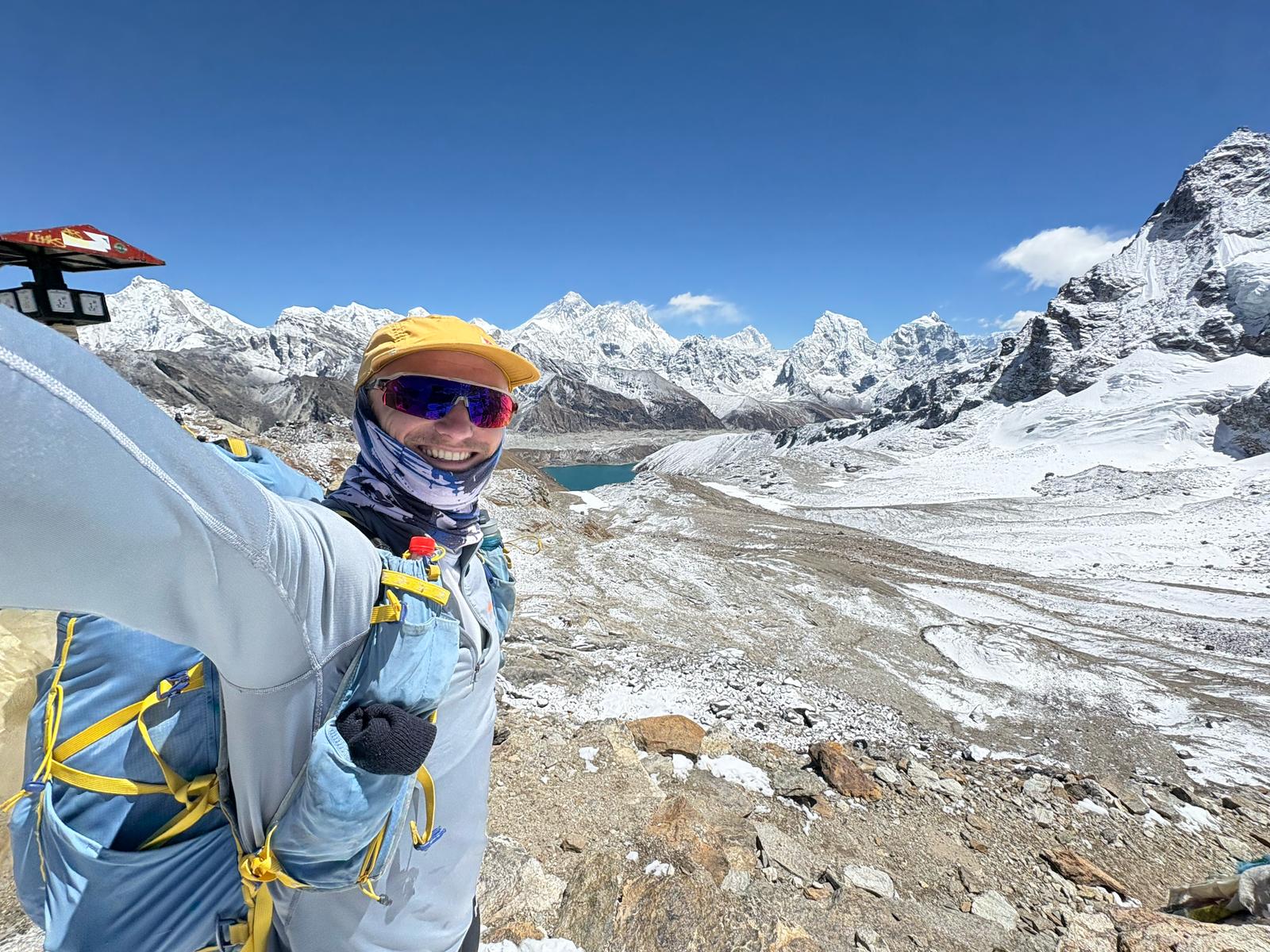
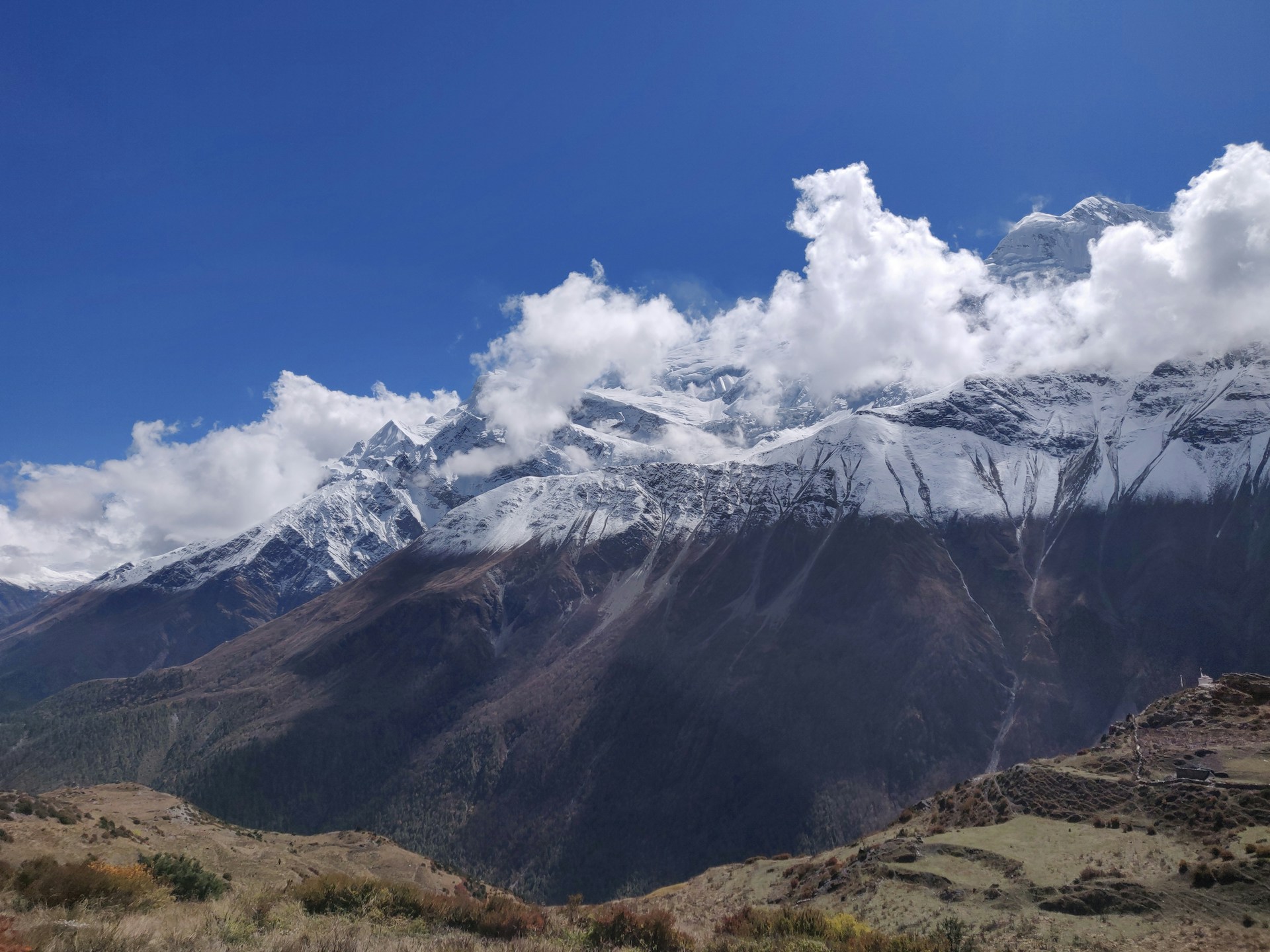
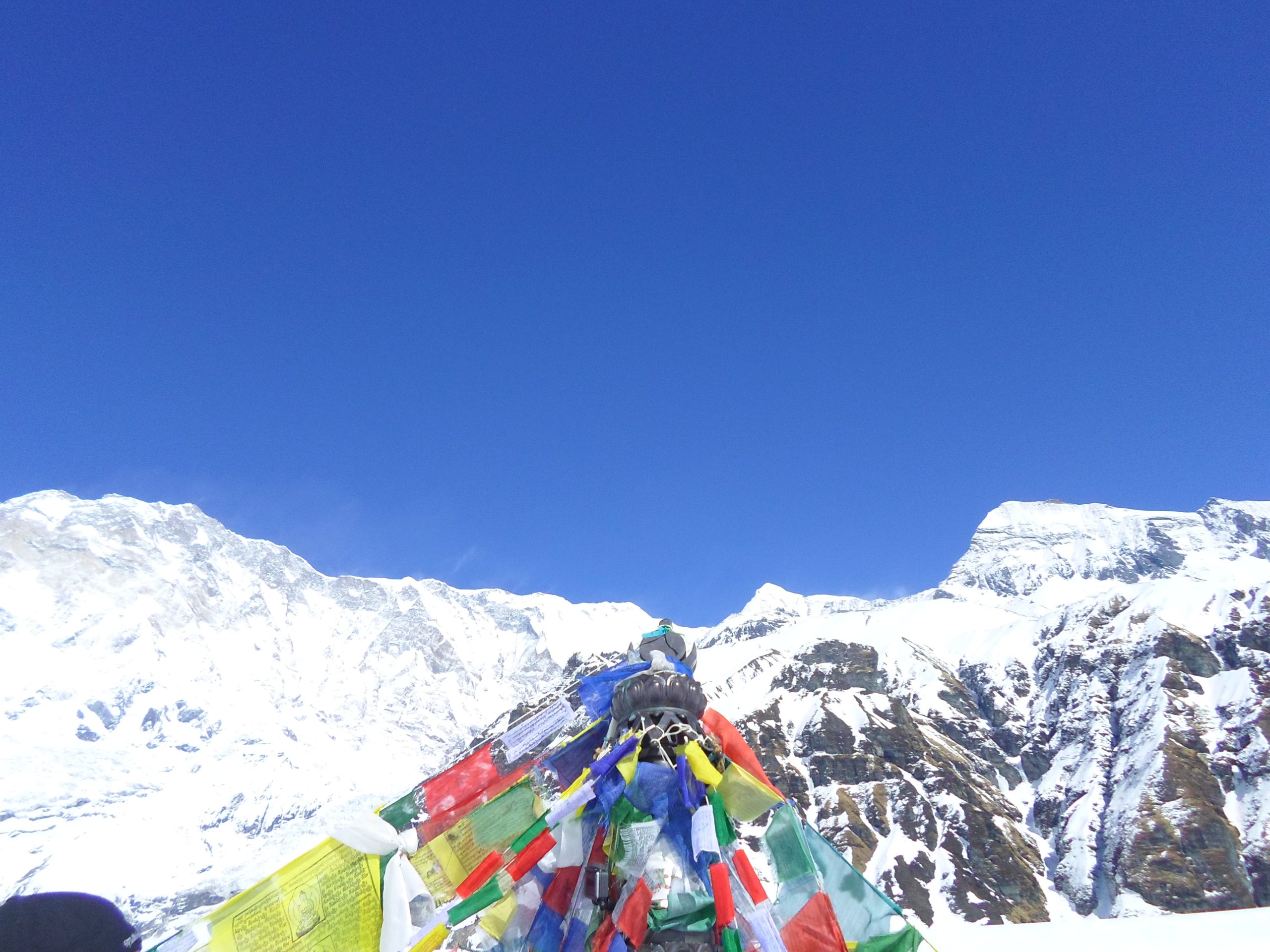
Dhaulagiri Base Camp Trek – 18 Days
Duration
Tour Type
Explore Tours
Country
Nepal
Duration
18
Trip Grade
Strenous
Best Season
Spring & Autumn
Altitude
5360m/17585ft
Group Size
2-15
Accomodation
Tea House/ Camping
Activity
Trekking
Trek Style
Tea House/ Camping
Transportation
Overland
Culture
Chettri, Magar, Gurung, Sherpa, Thakali
Himalayan Sight
Dhaulagiri, Annapurna
Range
Dhaulagiri
TRIP OVERVIEW
Dhaulagiri Base Camp Trek is a very popular trekking destination for all types of adventurous lovers. Being a small land-locked country, strategically placed between two enormous countries; China and India, Nepal offers unbeatable adventure option for mountaineering and trekking, not only the tallest peak of the world- Mt. Everest but also other peaks like Dhaulagiri offering a myriad of adventure option to novice and hardcore adventures alike. Dhaulagiri Base camp trek is underrated than Everest Base camp.
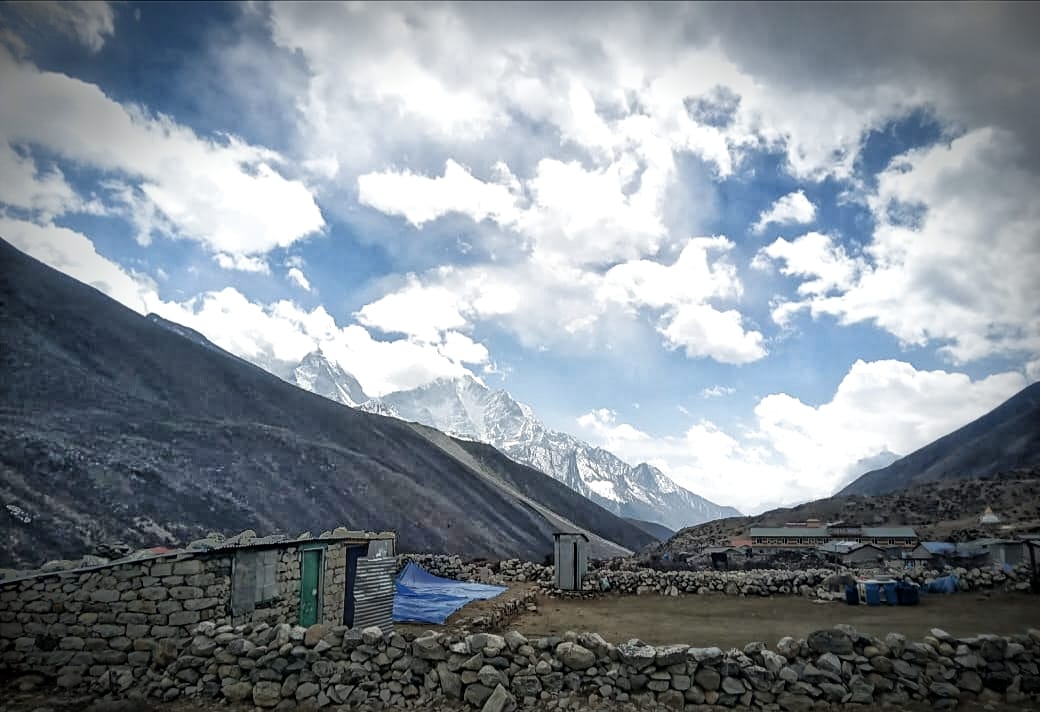
The seventh highest mountain in the world- Dhaulagiri (8,167m) lying on the north-west side of Annapurna and the Kali Gandaki Valley in the Western Nepal and South of the Tibet and Nepal border. Dhaulagiri is also known as “The White Mountain” because of its unique, mound shape when it can be seen from treks that leave from Pokhara- City of Paradise.
Dhaulagiri Base Camp Trek is strenuous and needs planning for acclimatization, but for the adventure seekers, it offers a great challenge, superbly beautiful views, and a total wilderness experience.
Dhaulagiri Base Camp Trek Route
This trek involves high passes like French pass (5360m) and Thapa pass (5200m) and demands some mountaineering knowledge and also offers you snow and glacier walking around it. It is more interesting to know that Dhaulagiri is the 13th Eight- Thousander to be climbed by 13 Swiss members expedited on the 13th of May 1960. Swiss expedition led by Max Eiselin were successfully reached Summit by only Six climbers including Nawang Dorjee. Dhaulagiri Base Camp Trek could be a great option for off beaten trekking and is also hardly crowded.
How Difficult is the Dhaulagiri Base Camp Trek?
The Dhaulagiri Base Camp Trek (5,200m) is a strenuous, Himalayan adventure, significantly more challenging than classic routes like Everest Base Camp due to its remote trails, technical glacier crossings, and extreme altitude exposure. Trekkers face 6-8 hour daily hikes over rocky moraines, 40° snow slopes (requiring crampons/ice axes on the French Pass [5,360m]), and unpredictable weather, with no teahouses beyond Dharapani—meaning full camping self-sufficiency.
Isolation adds risk, as the route lacks roads or villages, demanding satellite communication for emergencies. Ideal for experienced trekkers with 5,000m+ exposure, this trek rewards with unparalleled views of Dhaulagiri’s icy flanks but demands prior high-altitude camping skills and endurance. Check Nepal Trekking Grade for more information.
Best Time for Dhaulagiri Base Camp Trek: Optimal Seasons & Conditions
The best time for the Dhaulagiri Base Camp Trek is during spring (April to early June) and autumn (late September to November), when stable weather, clear skies, and moderate temperatures create ideal trekking conditions. In spring, rhododendron forests bloom, and warmer days (5°C to 15°C at lower elevations) ease glacier crossings, though lingering snow may persist above 4,000m.
Autumn offers crisp visibility for stunning Dhaulagiri (8,167m) views, with daytime temperatures ranging from 10°C to 20°C at lower altitudes and dropping to -10°C at base camp. Avoid monsoon (July-September) due to landslides and winter (December-March) for extreme cold (-20°C) and heavy snow blocking high passes. For the safest and most scenic experience, October is prime, balancing post-monsoon trail clarity with pre-winter accessibility.
You will get very good opportunities to encounter the settlement of several ethnic communities like Gurung, Magars, Chhetri, etc. You may also encounter several flora and fauna, yak herds grazing, and mountain sheep running around the trail. This trekking experience makes your lifetime memorable by providing the unique blend of nature and culture of Annapurna Region.
Tour Plan
Included
- All airport transfers as per itinerary by private vehicle. Ground transportation from Kathmandu – Beni & Pokhara - Kathmandu by bus.
- Jomsom - Pokhara Airfare with Airport Tax.
- Three nights accommodation whilst in Kathmandu and One night accommodation in Pokhara on Twin Sharing Basis with Breakfast (BB).
- Accommodation in the Tented Camp/best available Lodges during the trekking days with all Meals and Necessary Camping equipment (FB).
- Guided sightseeing Tour of Kathmandu City with Monument Entrance Fees.
- Government licensed holder local English speaking Sherpa Guide throughout the trek.
- The required number of staff and Porters to carry your luggage during the trek. (02Trekkers:01Porter) Food, accommodation, salary, insurance, equipment, medicine, and transportation for Trekking staffs.
- Annapurna conservation’s park fees and TIMS (Trekker Information Management System) and other necessary permits.
- Farewell dinner with Cultural show and Authentic Nepalese Cuisine in Kathmandu.
- First aid medical kit.
- Arrangement of Emergency Helicopter service which will be paid by your Travel insurance company.
- All services charge and Government Taxes.
Excluded
- Lunch and dinner whilst in Kathmandu and Pokhara (Each item costs about $4 - $7 dollars depending on place where you eat.
- Snacks, soft drinks, alcoholic drinks, water and personal items, Wifi access fees in lodges, fees for hot showers, towels, laundry or other services and Personal trekking gear while trekking.
- International airfare and airport departure tax. Nepal entry visa fee (US$ 30 per person) You can obtain a visa easily upon your arrival at Tribhuwan International Airport Kathmandu for either 30 days or 90 days from date of issue. You will need to have a currency of either USD, AUD or EU in cash to pay for your visa.
- Any extra expenses arising out of various/unforeseen situations like natural calamities, landslides, political disturbances, strikes, changes in Government regulations, etc that is beyond our control.
- Personal trekking gear.
- Tips for trekking staff and driver. (which is not mandatory but highly appreciated).
- Rescue, Repatriation, Medicines, Medical Tests and Hospitalization expenses - COMPULSARY. (These should be covered by your travel insurance provider)
- Any other expenses which are not mentioned on Price Inclusion section.
Frequently Asked Question (FAQ)
Travel For Cause
At Great Nepal Trek, your adventure directly fuels positive change. We are proud to allocate 10% from every tour booked with us to our Initiative Inclusion Development Forum Nepal. This dedicated commitment channels vital funds directly into supporting education and healthcare for underprivileged children from the Himalayan communities we explore. By trekking with us, you're not just witnessing the majestic mountains—you're actively helping to build a brighter, healthier future for its next generation.
What makes us different?
Changing Community Through Tourism
Travel for Cause - 10% of every booking amount goes to our CSR initiative, Inclusive Women Development Forum (IWDFN), educating and provide lively hood training to the women and children from Under preveliged society in Rural Nepal.
Sustainable Tourism
At Great Nepal Treks, we believe adventure should protect and empower. Our treks are designed to minimize environmental impact (zero-waste policies, solar-powered teahouses) and maximize community benefits—hiring local guides, sourcing supplies from village cooperatives, and funding education projects. When you travel with us, your journey supports conservation and cultural preservation across the Himalayas.
Related Information
Review Scores
Related Tours
- Quality4
- Location4.5
- Amenities4
- Services5
- Price4.5
Honey Hunting Tour In Nepal – 11 Days
- Quality5
- Location4.75
- Amenities4.75
- Services5
- Price5