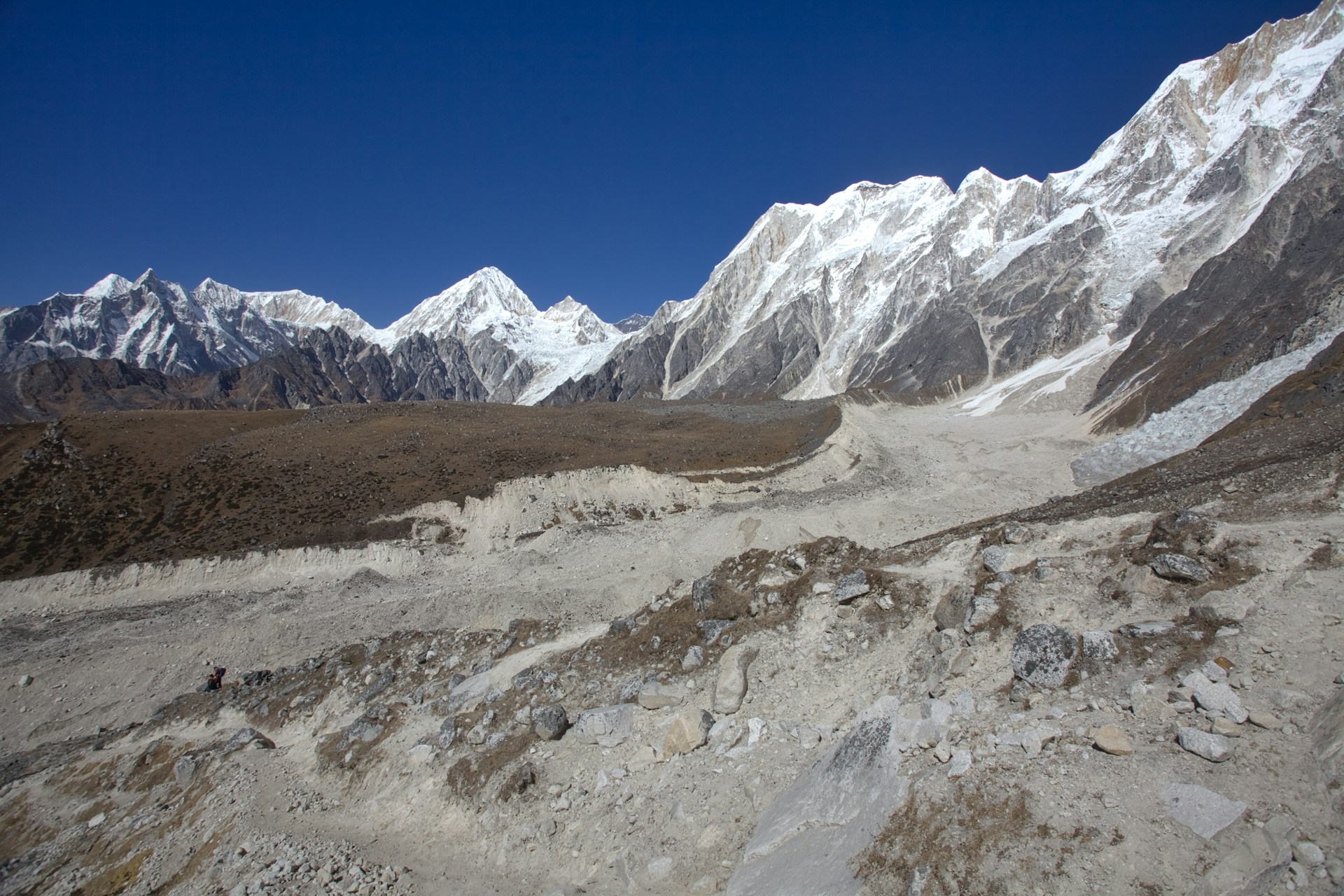
Manaslu Circuit Trek
Duration
Tour Type
Explore Tours
Country
Nepal
Duration
13
Trip Grade
Moderte to Hard
Best Season
Spring & Autumn
Altitude
5160m/16929ft
Group Size
1-15 PAX
Accomodation
Basic Tea House Lodge in Trekking, 3 star category in Kathmandu
Co-ordinates
Tea House Lodge
Activity
Trekking, Hiking
Trek Style
Tea House
Transportation
Overland
Culture
Sherpa
Himalayan Sight
Manaslu, Annapurna
Range
Mansiri
Route
Kathmandu, Gorkha, Besisahar, Kathmandu
The Manaslu Circuit Trek is one of those undiscovered trekking journeys that, despite not being so popular, has quite a bit of potential. It would not be an exaggeration to say that it’s a hidden gem. The Manaslu Circuit Trek touches the Annapurna region, and without a doubt, it is a beautiful trek, allowing you to enjoy the views of the magnificent mountains of western Nepal. It is a balanced trek that doesn’t just have attractive elements but also offers the trekkers a decent challenge. This trek is meant for adventure enthusiasts who seek both the features on a trekking trip.
Magical Manaslu Circuit Trek
The Manaslu Circuit trek is an 13-day-long journey, and during this time, you cover places such as Syange, Dharapani, Samagaon, and so on. Manaslu Circuit Trek Nepal is also simply known as Manaslu Trek. All these villages that you get to visit on the trek are gifted naturally, as they are situated on the lap of the Himalayas. You will not just be offered excellent accommodation and food services here, but also you get to know quite a bit about the cultures followed here.
Considering just the base route, the Manaslu Circuit trek distance happens to be 177 km. The trek starts from Soti Khola and ends at Syange. Of course, the length would increase significantly if you choose to include side treks on the main trip. The two major side trek options are the Tsum Valley and Manaslu Base Camp. While the former one takes you on a religious trip to Tsum Valley, which is said to have been visited by Guru Milarepa hundreds of years ago, the latter one takes you to the base camp of Mt. Manaslu, the eighth highest peak in the world.
The Manaslu Circuit trek route is a part of the Manaslu Conservation Area, which is one of the richest protected areas of Nepal. It is rich in terms of flora and fauna and is home to so many other natural spectacles like the mountains, lakes, high-altitude passes, and so on. When you walk on the route and visit the different villages, you realize that the region is impacted significantly by Buddhism. Since the region has its borders touching Tibet, you will also find the people here following Bon Po. All in all, the Manaslu Circuit Trek is a wonderful journey.
Manaslu Circuit And Tsum Valley Trek
Tsum Valley is an excellent addition to the Manaslu Circuit Trek. By adding a couple of days to your Manaslu Circuit Trek itinerary, you could cover Tsum Valley entirely. The valley is known for being religiously significant for the followers of Tibetan Buddhism. The major attraction of the valley is Mu Gompa. Also, on your side trek, you will get the chance to explore Milarepa Caves. You can approach the Tsum Valley trek as an independent trek, or you could approach it as a side one. The latter allows you to explore more attractions and cover the entire Manaslu Circuit.
Manaslu Circuit Trek Cost
The cost of a trekking journey depends on a lot of factors such as the length of the journey, the area covered, the level of luxury offered when it comes to food and accommodation, and most importantly, the nature of the travel agency. International travel agencies tend to charge more than the local ones. Considering all these aspects, the Manaslu Circuit trek cost can range between $950 and $2500 per person. Keep in mind that the cost of the trip might also vary depending on the side treks that you choose to include in your main itinerary. It is quite an affordable trip.
Manaslu Trek Vs Annapurna Circuit
The Annapurna Circuit Trek or Everest Base Camp Trek, for that matter, is more popular among trekkers because it doesn’t just offer natural spectacles to the trekkers but also religious and cultural ones. When it comes to the Manaslu trek, it is no different. The Manaslu Circuit trek takes you through a rich conservation area, through villages that are aesthetically stunning, and to a base camp, from where you can be close to the mountains. In no way is the Manaslu trek inferior to other more popular treks in the country like the Annapurna Circuit Trek and the Everest Base Camp trek.
You could attempt the Manaslu Circuit trek by either walking on just the base route or by adding a few attractions that are not on the main route to your core itinerary. Without a doubt, the second option is the better one, but keep in mind that all these additional features also bring added challenges. A wonderful feature of this trip is that you also get to explore parts of the Annapurna Circuit trek or the Annapurna region on the journey. If you’re a trekking enthusiast who is looking for an adventurous trekking venture, Manaslu Circuit Trek will be a great choice for you.
Great Nepal Treks can turn out to be an ideal trekking partner for you if you’re looking to trek in the hills of Nepal. They offer excellent trekking and expedition packages, along with luxury tours featuring activities such as jungle safaris, helicopter tours, adventure sports, food and cultural tours, and so on. They cover interesting tourist destinations from countries like Nepal, Bhutan, and Tibet in their itineraries. You should definitely pick Great Nepal Treks as your travel partner during your visit to this part of the world. You will surely love their services and want to return.
Our destination experts from Great Nepal Treks are always ready to modify the best itinerary of Manaslu Circuit Trek in your demand. If you feel anything lacking or wish to modify the program, simply contact us in +977-9851136111 or Email your details in our official e-mail: [email protected]. We will always guide you with the best offer, information, and suggestions.
Tour Plan
You will be welcomed by a Great Nepal Representative at the airport. From there, you will be transferred to the hotel. Freshen up and meet the representatives once again to get the brief about our Trip. In your free time, you can stroll around the capital city of Kathmandu. Overnight in a hotel in Kathmandu.
Conquer the first leg of your Manaslu adventure with a scenic drive from Kathmandu to Machha Khola. This approximately 9-hour journey transports you from the bustling capital into the serene foothills of the Himalayas, following the raging Trishuli and Budhi Gandaki rivers. Arriving in Machha Khola (930m), you'll feel the shift in pace and atmosphere, settling into this charming riverside village that serves as the perfect gateway to the untouched beauty and rich culture of the Manaslu Circuit trek, marking the thrilling start of your high-altitude expedition.
Early morning after breakfast, will captive journey from Machha Khola to Jagat, a day of diverse landscapes and cultural immersion. The trail weaves through subtropical forests, past cascading waterfalls, and across thrilling suspension bridges over the turquoise Budhi Gandaki River. You'll pass through traditional villages like Tatopani, where you can relax in natural hot springs, before the final climb to Jagat (1,340m). As a checkpoint entering the official Manaslu Conservation Area, Jagat marks your arrival into the restricted and culturally rich Tibetan-influenced region, setting the stage for the epic adventure ahead.
Today we begin by trekking to Sirdibas via Salleri before continuing onto GhatteKhola. Then the trail further goes to Philim which is a large Gurung village where you are introduced to the Gurung culture. From here, we walk past millet fields to Ekle Bhatti before entering a steep gorge and descending to cross the Budi Gandaki. As you continue, the valley widens and you will trek through bamboo forests before crossing the Deng Khola and reaching the tiny village of Deng. Overnight in a tea house in Deng.
This morning, it’s a short walk as you cross the Budhi Gandaki and climb steeply to Rama (1910m). From here, walk on to Bhi through dense forest and Prok Village from where we see some magnificent views of the Siringi Himal. From here, we cross the Budi Gandaki several times and come across several Gompa’s. The trail follows the river through dense forest and through a narrow gorge before opening for your last steep climb to reach Namrung. Overnight in a tea house in Namrung.
Ascend into the high Himalayas on a breathtaking trek from Namrung to Shyala. This 6-hour journey is a visual feast, as the trail climbs through enchanting rhododendron and pine forests into a dramatic alpine landscape. With each step, you're rewarded with ever-more-stunning, close-up views of towering peaks. Arriving in Shyala (3,575m), you find yourself in a serene meadow surrounded by a breathtaking amphitheater of mountains, including the majestic Manaslu massif. This day is a true highlight, offering a profound sense of immersion in the heart of the high Himalayas while providing crucial acclimatization for the days ahead.
After brekafst start an iconic trek from Shyala to Samagaon, a 6-7 hour journey that is the heart of the Manaslu Circuit. The trail offers relatively gentle climbs across high-altitude terrain, treating you to uninterrupted, jaw-dropping vistas of Mt. Manaslu, the world's eighth-highest peak. As you approach Samagaon (3,530m), the traditional Tibetan culture of the Nubri Valley comes to life. This authentic village, with its ancient monasteries and stunning mountain backdrop, is the perfect base for a vital acclimatization day, allowing you to explore hidden gems like Birendra Tal and immerse yourself in the serene beauty of the high Himalayas.
Today we spend the day at Samagaon for rest and acclimatization purposes. Here we can explore the Sherpa and Tibetan culture, the mani stones, and Buddhist scenes of the area. Hike up a hill near Sama village to an old Pungyen Gompa monastery where you will have great views of the glacier near the Manaslu peak. Overnight in a tea house in Samagaon.
As you trek to Samdo, you will again descend to the Budhi Gandaki river and cross several grazing and pasture areas before gradually climbing up the valley. The valley has a fantastic view of the Himalayan mountains particularly the Manaslu peak. When you reach Samdo, it is the last permanent settlement in the valley and from here, it’s just a day’s walk to the border with Tibet. Overnight in a tea house in Samdo.
Prepare for the pinnacle of your Manaslu Circuit adventure on Day 10 with the relatively short but vital trek from Samdo to Dharamsala (4,460m). This 4-5 hour journey ascends through a stark, high-altitude landscape, following the Budhi Gandaki River and offering dramatic views of the Larkya Glacier. Arriving at Dharamsala (also known as Larkya La Phedi), you'll feel the thin air at this crucial staging post. This remote outpost serves as the essential launchpad for crossing the challenging Larkya La Pass, making this a strategic day of preparation and acclimatization before your pre-dawn ascent.
This is the hardest day of the trek. After a short climb, you will reach a valley on the north side of the Larkya Glaciers from where you can enjoy great views of the Cho Danda and the Larkya Peak. From here, walk across glacial moraines gradually ascending before you reach the final steep section of the pass at 5160m. From the top of the pass, there are amazing views of the Himlung Himal (7126m), Cheo Himal (6820m), Annapurna II (7937m), and Mt Manaslu (8156m). It is a long day as we reach Bimthang with the evening mist floating in and the Mt Manaslu close by. Overnight in a tea house in Bimthang.
Conclude your high-altitude journey on the epic trek from Bimthang to Dharapani, a day of dramatic transition that descends from alpine wilderness into vibrant village life. The trail offers a final, breathtaking panorama of Manaslu before weaving through rhododendron forests, crossing the Dudh Khola, and passing through traditional villages like Tilje and Karche. Arriving in Dharapani (1,860m), you'll reach a major junction of the Annapurna Circuit, marking your successful completion of the challenging Larkya La Pass and your return to the more populated and accessible trails, seamlessly connecting two of Nepal's greatest treks.
We will have a short drive to Besisahar and continue our travel back to Kathmandu. Along the way, you will have the opportunity to enjoy the hill and the mountain landscapes as you follow the banks of the Marsyangdi and Trishuli rivers. Enjoy the beautiful villages and farming terraces before arriving in Kathmandu. Back in Kathmandu, you will get an opportunity for some last-minute shopping. Overnight in a hotel in Kathmandu.
If your plans today include a departing flight, a Great Nepal Treks and Expeditions representative will escort you to the airport. If you have other plans, we are here to assist you in any way necessary to make that transition.
Included
- All transportation using private vehicles as per itinerary including airport transfers. (Kathmandu-Sotikhola and Syange-Kathmandu drive using private Jeep)
- Two nights of accommodation with breakfast in a three-star hotel in Kathmandu on twin/sharing basis. Upgrades are available at an additional cost.
- Accommodation in the best available lodges, guesthouses, and tea houses, during trekking days using twin sharing/dormitory rooms. Upgrades to private rooms may be available upon request for an additional charge.
- Three meals a day followed by tea/coffee while on trekking days. All included meals are notated as B-Breakfast, L-Lunch and D-Dinner)
- Government licensed English speaking guide throughout the entire trek with his food, accommodation, salary, insurance, equipment, medicine, and transportation costs included. Tipping is a personal statement of your satisfaction of their service.
- The required number of staff and Porters to carry your luggage during the trek with his food, accommodation, salary, insurance, equipment, medicine. (02Trekkers:01Porter)
- Restricted Area Permit, Conservation Area Permit, TIMS (Trekker Information Management System) and other necessary permits.
- Complementary farewell dinner with cultural show and authentic Nepalese cuisine.
- First aid medical kit.
- All Service charge and necessary government taxes.
Excluded
- Travel insurance is compulsory for all of our treks. This must include helicopter rescue, medical testing, treatment, and hospitalization expenses. You will be asked to provide proof of such coverage upon arrival and before departing on the trek.
- Lunch and dinner while in Kathmandu. An average meal in just about any restaurant will run about $5 - $10 depending on what you order. Western oriented restaurants may be a bit more.
- You are responsible for snacks, soft drinks, alcoholic drinks, drinking water and personal expenses along the way. Wi-Fi access lodges (if available), for hot showers, towels, laundry or other services may be available along the way at posted rates.
- All personal trekking gear while trekking.
- International airfare and airport departure tax
- Nepal entry visa cost. Most visitors can can obtain a visa upon your arrival at Tribhuwan International Airport in Kathmandu. A multiple-entry tourist visa is good for 30 days and costs US$ 40 or equivalent in foreign currency. Similarly, multiple-entry tourist visas for 90 days can be obtained for US$ 100. Please bring 2 passport-size photos.
- Any extra expenses arising out of various/unforeseen situations like(natural calamities, landslides, political disturbances)
- Tips for trekking staff and driver. While tipping is not mandatory it is highly appreciated.
- Any other items not mentioned in the included section.
Frequently Asked Question (FAQ)
What Permits Do I Need for Trekking in Nepal?
Most trek require:
- TIMS Card (Trekkers’ Information Management System).
- National Park/Conservation Area Permits (e.g., Sagarmatha or Annapurna permits).
- Restricted Area Permits (for Upper Mustang, Manaslu, etc.).
Great Nepal Treks handles all permit arrangements for hassle-free travel.
Is Travel Insurance Mandatory for Trekking in Nepal?
Yes! Insurance covering emergency helicopter evacuation (up to 6,000m) and high-altitude medical expenses is essential. Many standard policies exclude altitudes above 4,000m, so verify coverage before booking.
What Safety Measures Does Great Nepal Treks Provide?
We prioritize safety with:
- Pulse oximeters & daily health checks.
- Emergency oxygen and portable hyperbaric chambers on high-altitude climbs.
- Helicopter evacuation protocols and satellite communication in remote areas.
- Small groups for better guide-to-client attention.
Can Beginners Trek in Nepal?
Absolutely! Beginner-friendly treks include:
- Ghorepani Poon Hill (3-5 days, easy-moderate).
- Langtang Valley (7-10 days, moderate).
- Everest View Trek (short, low-altitude).
Great Nepal Treks customizes itineraries for all skill levels.
What is Acclimatization? Is it important to acclimatized?
To enable all trekking & expedition members to acclimatize well and hence maximize their chances of success, our trekking & expedition programs are prepared with sufficient time for acclimatization. Adaptation to the altitude takes time and there can be no short-cuts, even if supplementary oxygen is used in the final stages. The atmospheric pressure at the base camp is half of that at the sea level. A thorough program of acclimatization is built into the itinerary which consists of regulated height ascents, followed by descents and rests before the final ascent to the summit. Yes it is very important for all trekkers and climbers because this will prevent the climbers to get rid from altitude sickness.
Do I need prior climbing experience?
While basic fitness is enough for trekking peaks like Island Peak, technical climbs require ice/rock climbing skills and high-altitude experience. Training courses in Nepal are available.
What is Acute Mountain Sickness(AMS)?
Altitude sickness is the reaction of the body adjusting to decreasing amounts of oxygen. The high altitude slowly decreases the flow of oxygen means the higher you climb, the flow of oxygen is very thin resulting the malfunction of body. Altitude sickness most commonly occurs from above 2,800 meters (9,200ft) but this is different for everyone – there is simply no way of knowing your own susceptibility prior to being at altitude thus it is vital for you to monitor your own health. AMS occurs when the body is unable to adopt at the higher altitude having less amount of oxygen. At an altitude of 5490m (18000 ft.), the oxygen availability becomes just the half of the availability at sea level. While only a third of oxygen is available at the summit of Mt. Everest. Symptoms may be mild and subside/go away after a day’s rest, or if it is ignored it could lead to death.
When is the best time for peak climbing?
Spring (April-May) and autumn (September-November) offer stable weather, clear skies, and ideal climbing conditions for most Himalayan peaks.
What are the symptoms of AMS?
Symptoms can appear within 1-2 hours although most often appear 6-10 hours after ascent and generally subside in 1-2 days as the body adjusts to altitude. They may reappear as you continue to go higher. Symptoms of AMS usually occur gradually and can be one or a combination of the following:
• Headache: Due to the less amount of oxygen in air, the blood influences the blood vessels to spread wide in order to supply more oxygen to the brain and which cause them to show the early symptom of AMS.
• Dopiness: The trekkers or climbers feel very sleepy but could not.
• Shortness of breath: The breathing pattern changes as the breathing becomes faster and deeper than normal in order to get enough oxygen and rapid pulse
• Loss of appetite and nausea: Despite of physical exercise, the trekkers don’t have an appetite to eat.
What permits are required?
Climbers need a peak climbing permit from the Nepal Mountaineering Association (NMA) and TIMS card. Restricted areas require special permits arranged through agencies.
What are the Life threatening forms of AMS?
High Altitude Pulmonary Edema (HAPE)
If one accumulates of fluid in the lungs and mild fever then, there is a chance of High Altitude Pulmonary Edema (HAPE). The filling of fluid in the lungs is Pulmonary Edema. The fluid blocks the passage of fresh oxygen to get into the lungs which causes the shortage of oxygen. Though the exact reason for the HAPE has not been identified, scientists think that pressure of blood vessel around the lungs is directly proportional to the altitude. As a result the smaller blood vessels leak allowing the fluid to escape to the lungs. The treatment for the HAPE victims is to give the oxygen at the rate of 4 liters a minute, using Portable Altitude Chamber (PAC). In case of unavailability of PAC bag or oxygen, one is taken down to the low altitude which is the only way of life-saving. HAPE can also lead to unconsciousness which may also results to death in a short period of time.
High Altitude Cerebral Edema (HACE)
HACE is the accumulation of fluid in the brain due of the swollen blood vessels to the brain. HACE is also seen within a couple of hours and can send the patient to coma and take his/her life in just few hours likewise to HAPE. The excessive flow of blood to the brain due to the low-level oxygen causes vasodilation which eventually leads to leakage of blood vessels to the brain. A 4 to 8mg of dexamethasone is given as a first dose to those who suffer from such sickness and then 4mg Diamox is given an every six hours gap. Similarly, 2-4 liters/minute oxygen is given and one is taken to down if it is necessary.
What gear do I need?
Essential gear includes crampons, ice axes, harnesses, and high-altitude clothing. Many items can be rented in Kathmandu or Namche Bazaar.
What are the Symptoms of HAPE?
Breathlessness
– A dry cough, developing to a wet one with blood-tinged discharge or saliva
– Tightness in the chest & blueness/darkness of face, lips & tongue
– Low fever up to 38°C/100°F
– Severe fatigue, progressing to coma
How long does a typical climb take?
Most 6,000m peak climbs take 2-3 weeks, including trekking to base camp, acclimatization, and summit attempts.
What are the Symptoms of HACE?
– Severe headache symptoms not relieved by painkillers or lying down
– Confusion, disorientation & drowsiness
– Nausea/vomiting
– Loss of balance or coordination
– Blurred or double vision/retinal hemorrhage
What are the risks of peak climbing?
Altitude sickness, avalanches, and crevasses are primary risks. Proper acclimatization, experienced guides, and good weather planning minimize dangers.
How to Prevent Altitude Sickness?
Certain medical conditions (such as respiratory disease) or medications (such as sleeping pills) can increase the risk of altitude sickness – it is important that you inform your guide of any medical conditions or medications before ascending to altitude. You can help your body to acclimatize and avoid altitude sickness by:
– Avoiding alcohol, tobacco and substances that can interfere with good delivery of oxygen to the body or cause dehydration
– Eating small, frequent meals high in carbohydrates
– Drinking plenty of water – the test of sufficient amount of water intake is ability to urinate colorless urine
– Taking it easy or have a rest. Walk at a slower pace than you would at sea level and avoid over-exertion
– Climb the mountain gradually and stop for a day or two of rest for every 600m/2000ft above 2,400m/8000ft
– Climb high but Sleep at a lower altitude if possible
– Learn how to recognize early symptoms of mountain sickness
Since our Guides from Great Nepal Treks are very professional and well trained about altitude sickness, they will guide you during your trekking and expedition activities in Nepal.
What are the basic treatment of Altitude sickness?
Most travelers are able to successfully acclimatize by following the previously mentioned guidelines. However, there are instances where medical treatment is required. Ultimately, the best treatment for acute mountain sickness (AMS) is to descend to a lower altitude and rest. Early diagnosis is important. Acute mountain sickness is easier to treat in the early stages. The guide will monitor you all the time for symptoms and will pace you appropriately to minimize your exposure to AMS.Cooperating with the guide and reporting if any of the above-described symptoms are seen allows your guide to undertaking appropriate and timely action to minimize your exposure to AMS. Sufficient time for acclimatization (After 3000 meters) is also another method to minimize AMS. Following precautions can be done in order to get rid of AMS:
Don’t ascent up rapidly.
• Never use alcohol, sleeping pills and smoking.
• Drink more fluid 3-4 liters a day, clean boiled water / tea / coffee / soup / juice etc.
• Climb high and sleep low.
• Don’t go trekking alone, take guide/porter.
• Follow the advice from your guide, hotel, local people, guidebook.
• Descent if mild symptoms rapidly getting worse.
• Never leave or descent sick person along.
• Avoid getting cold.
• Take an easy and comfortable trekking route even if it is longer.
• Sleep more than normal.
Your Guide will carry some medications in First Aid Kit and may suggest for medication such as Ibuprofen, Paracetamol, combination of them or specific AMS medication. Standard and effective medication for prevention of AMS is Acetazolamide (Diamox) and it may be given to help improve breathing and reduce mild symptoms. This drug can cause increased urination. Ensure you drink plenty of fluids and avoid alcohol when taking this drug.With severe cases of AMS, our guide will contact our office in Kathmandu and arrange your evacuation by helicopter. Before we accept you on the trek we will require that you purchase health and travel insurance including helicopter rescue and hospitalization.
How GNTE handle you during the case of emergency?
You never know when the unexpected situation comes and put you in hearse condition whether you are professional or beginners. Our professional guides do their best to make you well with first aid support. If the situation goes worse, you will be evacuated by Helicopter. You are entirely liable for all the expenses incurred in evacuation. So, before coming to Nepal, please make your travel insurance. Ask your guide to arrange a runner to the nearest communication point and inform office about requirement of a helicopter. For evacuation, we require the name of the sick person and the exact location from where helicopter can airlift you. You should not leave the place after calling Helicopter for evacuation though you are feeling better than before.
Are we safe with Great Nepal Treks during our trekking or expedition journey?
Security and a safe journey is our core objective of trekking. Our guide holds licenses issued by the Nepal Government and our staffs are local, honest, kind and genuine. But we also insist you to take care of your own personal belongings. If you are on ‘camping trek’ please take your main bag inside the tent once you reach campsite and put all bags and belongings in the middle of the tent when you feel sleepy. Your guide assigns a Sherpa on turn wise basis to guard the campsite throughout the night. If you are on ‘Tea house arrangement, never leave your baggage unattended and keep your lodge room locked when you go out. Feel safe since you are in the hands of ethical trekking company in Nepal.
Is travel insurance required?
Yes, insurance covering high-altitude climbing (up to 6,500m+) and emergency evacuation is mandatory for all expeditions.
What is a Restricted Area in Nepal?
Restricted Areas are specific regions in Nepal designated by the government to protect sensitive border zones, unique cultures, and fragile environments. Access to these areas is controlled, and trekkers must obtain a special permit through a registered trekking agency
Why do I need a special permit for these areas?
The permit system helps manage tourism’s impact, ensures trekkers’ safety in remote regions, and preserves the cultural and ecological integrity of these sensitive zones. It also mandates that you trek with a guide for support and security.
Which are the popular Restricted Area treks in Nepal?
Manaslu Circuit Trek: A stunning journey around the world’s eighth-highest mountain.
Upper Mustang Trek: A trans-Himalayan desert experience known as the “Last Forbidden Kingdom.”
Upper Dolpo Trek: A remote and rugged trek featured in the film “Himalaya.”
Lower Dolpo Trek: A challenging trek through isolated landscapes and ancient monasteries.
Kanchenjunga Base Camp Trek: A trek to the base of the world’s third-highest mountain.
Tsum Valley Trek: A sacred valley hidden in the Manaslu region with a strong Tibetan Buddhist culture.
Nar Phu Valley Trek: A trek into a hidden world of ancient villages and high passes near the Annapurna Circuit.
How do I obtain a Restricted Area Permit (RAP)?
You cannot obtain a RAP independently. The permit must be arranged by a government-registered trekking agency in Nepal on your behalf. You will need to provide your passport details, passport-sized photos, and the required fees to your chosen agency, who will handle the application process.
Do I need oxygen?
No, but operators carry emergency oxygen for altitude sickness.
Is it mandatory to hire a guide and/or porter?
Yes. Trekking with a licensed guide is compulsory in all Restricted Areas. For some regions, like Upper Mustang, you must also be in a group of at least two trekkers. Porters are not mandatory but are highly recommended for a more enjoyable and sustainable trekking experience.
Can I trek solo in a Restricted Area?
No. Independent or solo trekking is strictly prohibited in Restricted Areas. You must be part of an organized group and accompanied by a licensed guide at all times.
When is the best time to go on a Restricted Area trek?
The ideal seasons are Spring (March to May) and Autumn (September to November). These periods offer stable weather, clear skies, and moderate temperatures. Most Restricted Areas, especially those at high altitudes, are inaccessible during the winter monsoon (December-February) and summer monsoon (June-August) due to heavy snow or rain.
What makes Restricted Area trekking special?
These treks offer an unparalleled sense of adventure and cultural immersion. You will experience pristine landscapes, ancient Tibetan Buddhist cultures that have remained unchanged for centuries, and a level of solitude rarely found on classic trekking routes like Everest Base Camp or Annapurna Base Camp.
Why Should I Choose Nepal for Trekking?
Nepal is a paradise for trekkers, offering some of the world’s most iconic trails, from the legendary Everest Base Camp and Annapurna Circuit to remote gems like Upper Mustang and Kanchenjunga. The country’s diverse landscapes—lush valleys, high-altitude deserts, and towering Himalayan peaks—provide unmatched adventure opportunities. Nepal is also culturally rich, with ancient monasteries, traditional villages, and warm Sherpa hospitality. Whether you seek challenging expeditions or scenic tea-house treks, Nepal caters to all levels of experience, making it a top destination for hikers, climbers, and cultural explorers alike.
What Makes Great Nepal Treks Different from Other Companies?
Great Nepal Treks stands out for its personalized service, expert local guides, and commitment to safety and sustainability. Unlike larger commercial operators, we specialize in small-group treks (max 10 people), ensuring individual attention and a more immersive experience. Our 1:1 Sherpa support on high-altitude climbs, luxury base camp setups (heated tents, gourmet meals), and 95% summit success rate on Everest expeditions make us a trusted choice. Additionally, we prioritize eco-friendly practices, support local communities, and provide transparent pricing—no hidden costs.
When is the Best Time to Trek in Nepal?
The optimal trekking seasons in Nepal are spring (March-May) and autumn (September-November). Spring brings blooming rhododendrons and stable weather, ideal for Everest and Annapurna treks. Autumn offers crystal-clear skies and post-monsoon freshness, perfect for high-altitude climbs and cultural tours. Winter (December-February) is colder but great for lower-altitude treks, while monsoon (June-August) is best avoided due to rain and landslides, except in rain-shadow regions like Upper Mustang.
Do I Need a Guide for Trekking in Nepal?
While some popular routes (e.g., Poon Hill, Langtang) allow independent trekking, hiring a guide is highly recommended for safety, navigation, and cultural insights. For restricted areas (Upper Mustang, Manaslu), a guide is mandatory. Great Nepal Treks provides certified guides with wilderness first-aid training, ensuring you avoid altitude sickness, route mistakes, and language barriers with locals.
How Do I Prepare for High-Altitude Trekking?
Preparation is key for high-altitude treks like Everest Base Camp or Dhaulagiri Circuit. Focus on:
- Cardio/endurance training (hiking with a loaded backpack 3x/week).
- Altitude acclimatization (choose itineraries with rest days).
- Packing essentials (layered clothing, broken-in boots, Diamox for altitude).
Great Nepal Treks offers pre-trek training guides and gear lists to help you prepare.
Travel For Cause
At Great Nepal Trek, your adventure directly fuels positive change. We are proud to allocate 10% from every tour booked with us to our Initiative Inclusion Development Forum Nepal. This dedicated commitment channels vital funds directly into supporting education and healthcare for underprivileged children from the Himalayan communities we explore. By trekking with us, you're not just witnessing the majestic mountains—you're actively helping to build a brighter, healthier future for its next generation.
What makes us different?
Changing Community Through Tourism
Travel for Cause - 10% of every booking amount goes to our CSR initiative, Inclusive Women Development Forum (IWDFN), educating and provide lively hood training to the women and children from Under preveliged society in Rural Nepal.
Sustainable Tourism
At Great Nepal Treks, we believe adventure should protect and empower. Our treks are designed to minimize environmental impact (zero-waste policies, solar-powered teahouses) and maximize community benefits—hiring local guides, sourcing supplies from village cooperatives, and funding education projects. When you travel with us, your journey supports conservation and cultural preservation across the Himalayas.