Nepal, The “Living Pharmacy” of the Himalayas.
Nepal is blessed with a biodiversity hotspot. The pristine mountain air, the medicinal herbs of the highlands, and the mineral-rich hot springs create an unmatched natural therapy center. Imagine practicing yoga at 2,500 meters, your lungs filled with oxygenated glacial air, your mind calmed by the panoramic silence of the Annapurna range. This is not just a vacation; it is a physiological reset
The post-pandemic era has fundamentally shifted the way we travel. Vacationing is no longer just about snapping pictures of famous landmarks or ticking off extreme adventures; it has evolved into a vital quest for restorative health, mental clarity, and spiritual recalibration. In a world dominated by constant digital connectivity, urban noise, and chronic stress, global travellers are actively seeking out destinations that reduce cortisol levels, restore natural sleep cycles, and bring a profound sense of inner peace.
Recognising this global shift, the Government of Nepal has stepped forward with an ambitious blueprint to position the country as the premier sanctuary for holistic well-being. Under its newly launched National Health Tourism Strategy (2026–2035) and the captivating “Heal in Nepal” branding, the country is officially merging its legendary alpine landscapes with ancient healing traditions. Driven by monumental milestones, including the United Nations adopting a resolution spearheaded by Nepal to declare April 15 as International Wellness Day, alongside the upcoming “Nepal Wellness Year 2027” campaign, the country is setting a gold standard for conscious, transformative travel.
While neighbouring countries have built distinct models, India focusing heavily on its vast clinical AYUSH medical networks, Bhutan maintaining an exclusive but highly restrictive high-tariff model, and Sri Lanka offering tropical coastal Ayurveda, Nepal presents a completely distinct alternative. It offers a majestic synthesis of “adventure equity” and “spiritual diplomacy”. Here, wellness is not an isolated, commercialised luxury service packaged in a cookie-cutter resort; it is a living way of life. Known locally as “Aatmiyata”, a deeply authentic, heartfelt hospitality rooted in compassion and humility, the very air of the Himalayas fosters a natural ecosystem of preventative health. It is highly cost-effective, culturally profound, and intrinsically tied to a pristine environment that serves as an open-air therapy ward.
The Ultimate Map of Nepal’s Wellness Attractions & Activities
Nepal’s unique value proposition lies in its varied ecological zones, distinct microclimates, and sacred geography. For travellers seeking a true energetic conduit for inner transformation, the country features several wellness corridors and immersive modalities designed to heal both body and soul.
Landmark Wellness Corridors
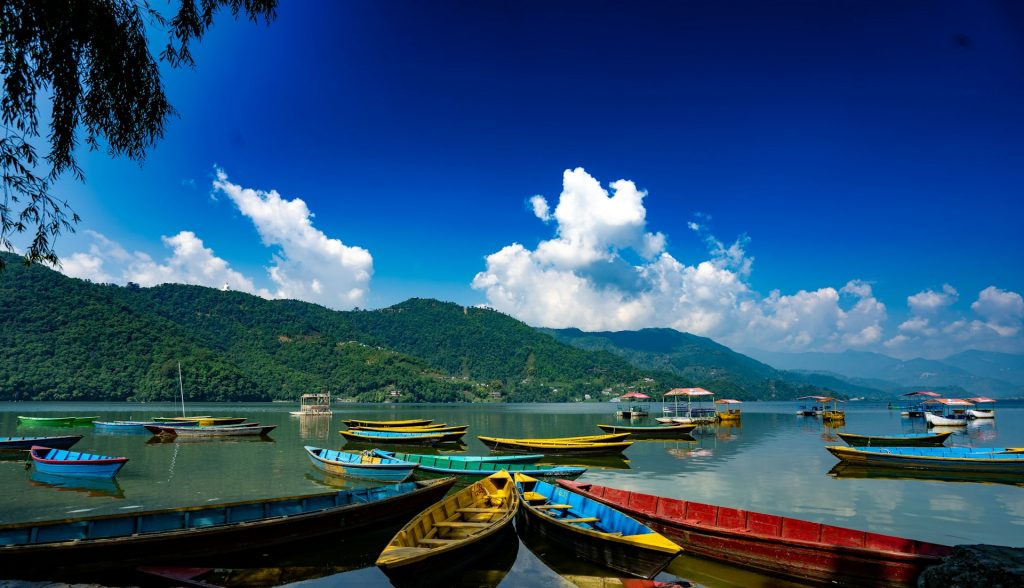
- The Pokhara Wellness Corridor: Resting gracefully at the base of the Annapurna mountain range alongside the peaceful waters of Phewa Lake, Pokhara is the crown jewel of natural rejuvenation. Its microclimate uniquely blends alpine and water energies, making it a world-class centre for lakeside yoga, sound healing sessions, and organic, farm-to-table gastronomy.
- The Kathmandu Valley Rim: While the city centre holds incredible historical value, the lush ridges surrounding the valley offer an untouched sanctuary. To the north, the sub-tropical forests of Shivapuri National Park provide a perfect environment for mindful forest bathing and meditation by crisp mountain streams. To the east, the panoramic ridges of Nagarkot and Dhulikhel allow visitors to practise morning breathwork while watching the sun rise over the central Himalayan chain.
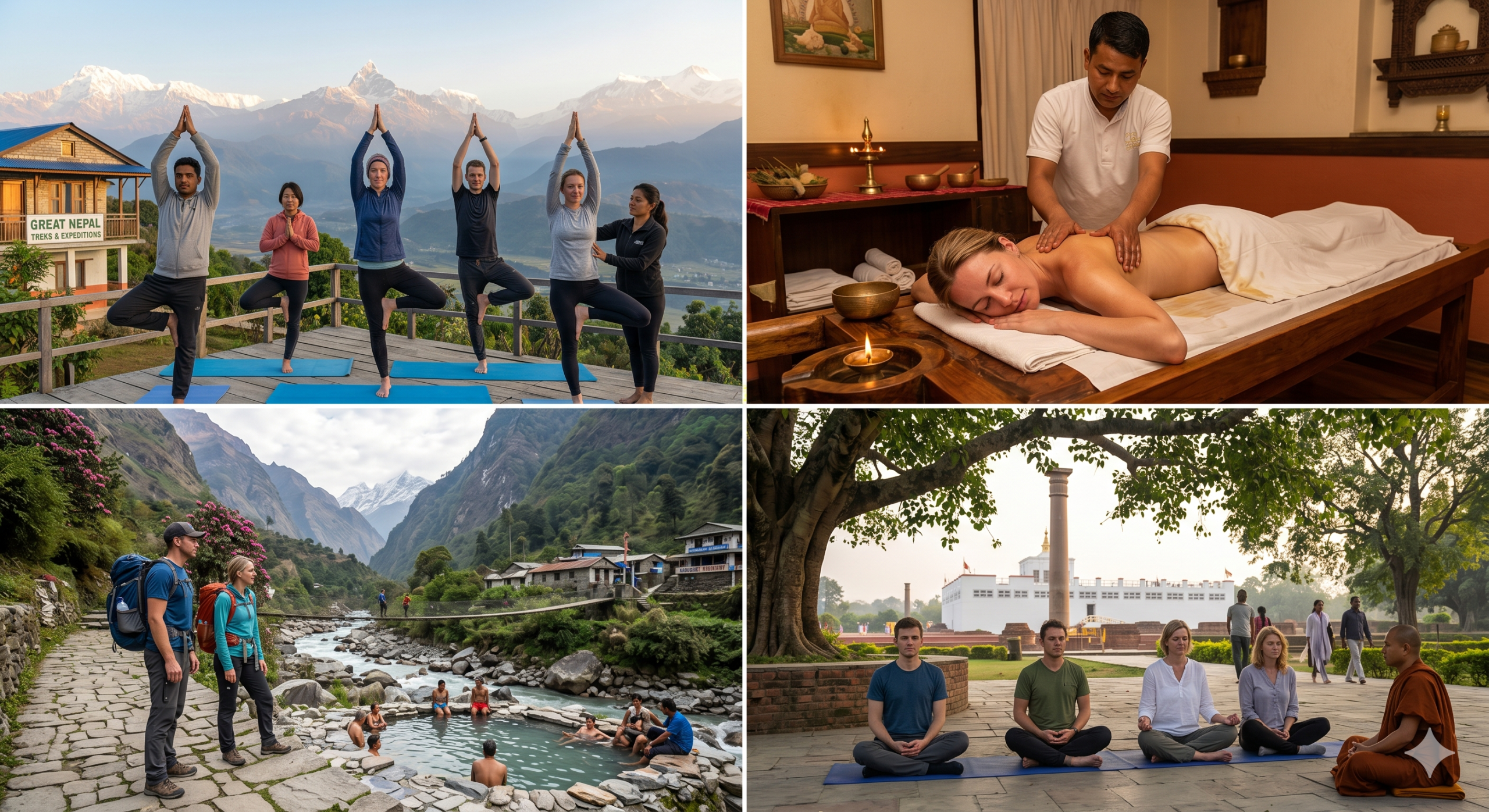
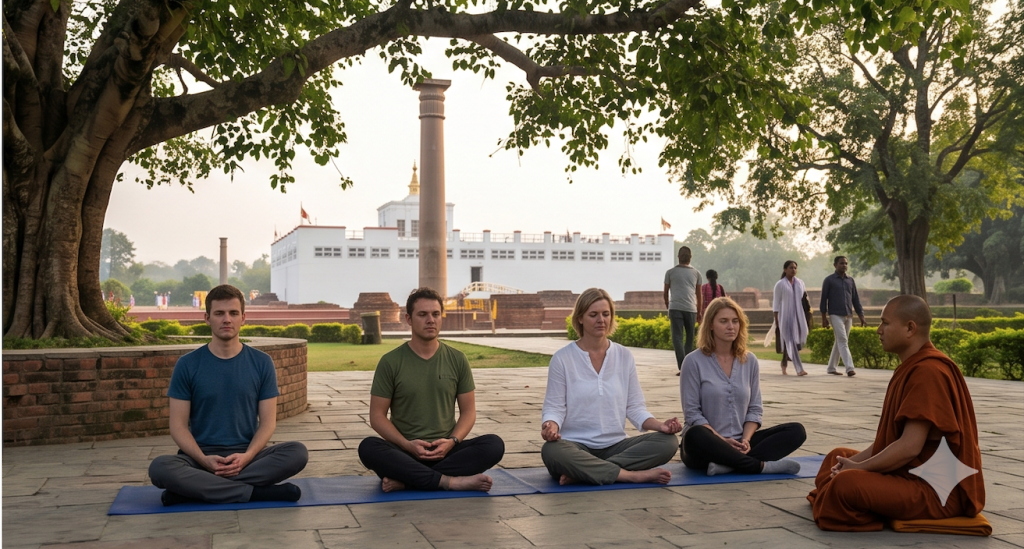
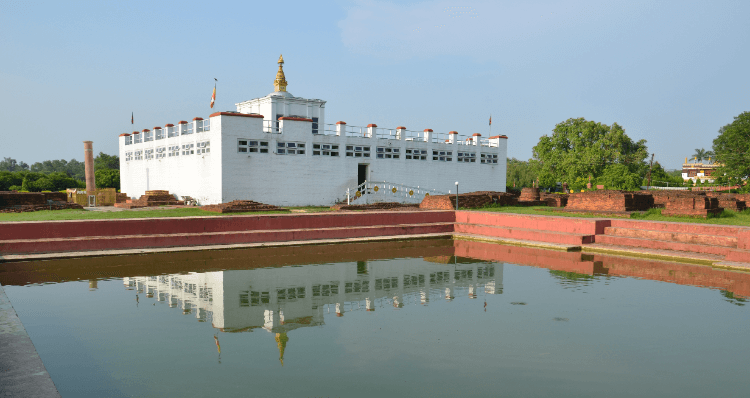
- The Lumbini Sanctuary of Mindfulness: For deep historical and spiritual immersion, the sacred gardens of Lumbini, the birthplace of Siddhartha Gautama Buddha, offer an unparalleled experience. Meditating near the ancient Maya Devi Temple while surrounded by international monasteries allows travellers to connect directly with the pure, original roots of Buddhist contemplative philosophy.
- Spiritual Heritage Paths: Under the national “Dev Bhumi” (Holy Land) vision, iconic destinations like Pashupatinath, Janaki Mandir, Muktinath, and the Namobuddha Monastery serve as active spiritual centres where sacred evening aarti rituals and monastic lifestyles have continued uninterrupted for thousands of years.
Traditional Modalities & Rejuvenating Practices
- Himalayan Sound Healing: Utilising harmonic frequencies produced by hand-hammered bronze Tibetan singing bowls, this acoustic therapy synchronises brainwave frequencies, deeply relaxes the nervous system, and radically improves sleep quality.
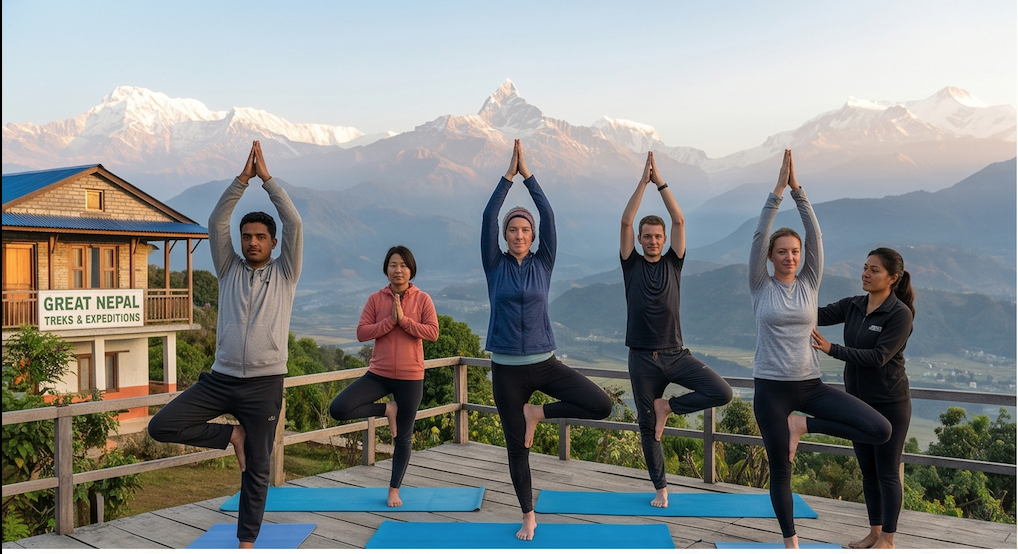
- Authentic Hatha & Pranayama Yoga: Taught by certified local spiritual teachers, yoga sessions are frequently held on open-air mountain decks at 2,500 metres above sea level, allowing practitioners to fill their lungs with pure, oxygenated glacial air.
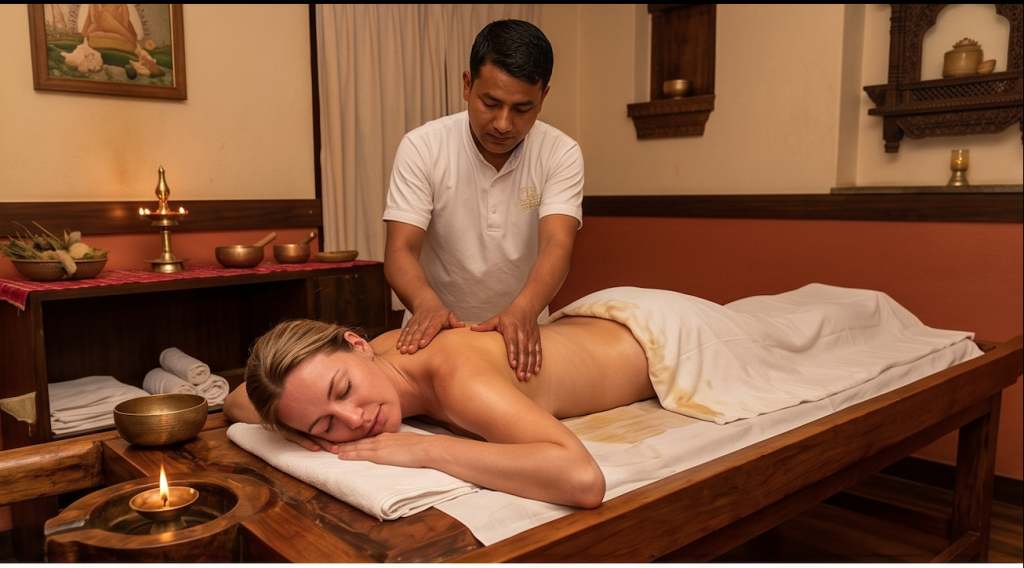
- Clinical Himalayan Ayurveda & Panchakarma: Rooted in 3,000-year-old local traditions that rival any global destination in authenticity, localised centres offer personalised herbal regimens and intensive clinical detoxification therapies based on individual Dosha body analysis.
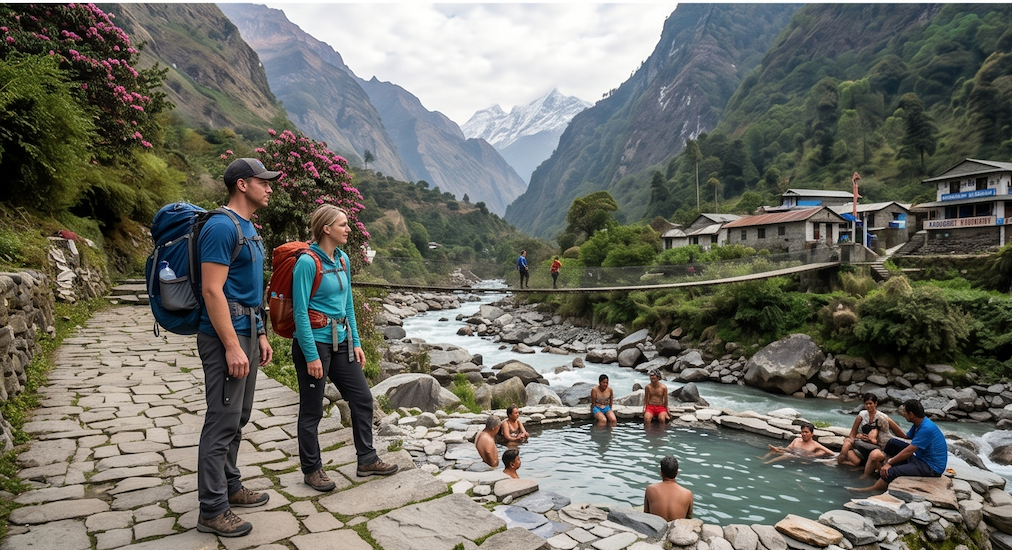
- Therapeutic Geothermal Hot Springs: Nepal boasts more than 20 natural hot springs, such as Tatopani along the Annapurna and Kodari routes. Rich in healing minerals, these natural thermal pools are famous for soothing muscle fatigue, curing skin conditions, and relieving joint pain.
- Monastic Cleansing & Silent Retreats: Travellers can take part in traditional Shatkarma yogic cleansing, conscious fasting, and week-long silent Vipassana meditation courses inside historic monasteries, allowing for deep emotional resilience and self-reflection.
- Regenerative Community Wellness: Staying in rural villages allows travellers to participate in an agrarian way of life, enjoying organic farm-to-table nutrition, community homestay meditation, and traditional herbal massages that directly fund local rural livelihoods.
Transform Your Life: Book Your Journey with Great Nepal Treks & Expeditions
Embarking on a true wellness journey requires a trusted, highly experienced local partner who understands that genuine healing cannot be mass-produced. Based in the vibrant hub of Thamel, Kathmandu, Great Nepal Treks & Expeditions stands as the premier destination management company capable of seamlessly bridging raw physical adventure with deep, holistic rejuvenation.
As an industry pioneer specialising in entirely custom-designed travel packages, Great Nepal Treks & Expeditions meticulously crafts tailored itineraries that balance the physical rewards of Himalayan trekking with restorative health practices.
They understand that multi-day wilderness trekking acts as a brilliant form of “movement therapy” that scientifically lowers anxiety and boosts mental well-being. Whether you are looking to conquer high-altitude passes or simply spend a week in quiet, contemplative self-discovery, they customise every detail to match your physical capabilities and spiritual goals.
Signature Integrated Packages
- High-Altitude Wellness & Yoga Treks: Combine iconic routes like the Annapurna Circuit, Everest Base Camp, or the 18-day Manaslu Circuit with daily sunrise yoga, guided breathing exercises, and specialised muscle-recovery treatments led by licensed, certified instructors.
- Monastic & Cultural Immersions: Experience deep mental clarity by spending days living inside the peaceful Namobuddha Monastery Guest House, witnessing traditional Buddhist dharma debates, participating in sacred monastic pujas, and receiving personal Ayurvedic health evaluations.
- The Flagship 13-Day Nepal Wellness Itinerary: A masterfully designed, seamless journey that takes you from exploring UNESCO World Heritage sites and enjoying traditional Newari pottery mindfulness in Bhaktapur to sunrise yoga in Nagarkot, lakeside sound therapy in Pokhara, and witnessing the mystical evening aarti at Pashupatinath. It even features an optional, breathtaking 50-minute mountain flight to view Mount Everest with guaranteed window seating.
Great Nepal Treks & Expeditions maintains an uncompromising commitment to quality, security, and sustainability. They employ exclusively licensed local guides and lineage-holding practitioners who possess an intimate knowledge of Himalayan geography and culture. Operating under strict safety-first protocols, they utilise high-quality equipment and personalised pacing to carefully monitor your physical well-being in higher altitudes. Furthermore, by utilising community-based homestays, promoting eco-friendly practices, and ensuring fair local employment, they guarantee that your journey acts as a regenerative force that directly supports conservation and rural Nepalese families.
The convergence of the UN-recognised International Day of Wellness and the upcoming Nepal Wellness Year 2027 makes this the perfect moment to prioritise your health. Contact Great Nepal Treks & Expeditions today to design your custom itinerary, step onto the roof of the world, and return home with a lasting sense of physical vitality and spiritual renewal.
Itinerary 1:
The Spiritual & Mindful Retreat (7–10 Days)
Best for: Deep meditation, Buddhist philosophy, and inner peace.
Primary Focus Cities: Kathmandu and Maya Devi Temple (Lumbini).
This route guides travellers through the core spiritual centres of Nepal, focusing heavily on monastic environments, mindfulness lectures, and tranquil reflection.
Days 1–3: Kathmandu Valley Immersion
Arrive in Kathmandu. Spend your mornings participating in sound healing sessions and Tibetan bowl therapy in the historic alleys. Dedicate your afternoons to a circumambulation around the monumental Boudha Stupa, observing the deep devotional practices of local pilgrims.
Days 4–6: Monastic Living at Kopan
Transition to the tranquil ridges north of the city at Kopan Monastery. You can enrol in short discovery courses or basic residential retreats. Days are strictly scheduled around silent meditation sessions, simple vegetarian meals, and lectures on Tibetan Buddhist philosophy led by resident lamas.
Days 7–10: The Cradle of Mindfulness (Lumbini) Fly or drive south to the peaceful plains of Lumbini. Spend your days inside the sacred garden zone, practising walking meditation around the historic Maya Devi Temple, the birthplace of Gautam Buddha. The surrounding international monastic zone offers a quiet backdrop to learn diverse meditation techniques from different international Buddhist traditions
Itinerary 2:
Nature, Yoga & Ayurvedic Rejuvenation (8–12 Days)
Best for: Physical detoxification, Hatha/Ashtanga yoga, and luxury spa therapies.
Primary Focus Cities: Kathmandu and Pokhara.
This itinerary leverages the calming, therapeutic powers of nature. It balances structured daily yoga classes with extensive wellness therapies like traditional Panchakarma or Ayurvedic oil treatments.
Days 1–2: Ayurvedic Consultations in Kathmandu Begin in Kathmandu with a formal assessment by a traditional Ayurvedic doctor to identify your specific dosha (body constitution). Experience foundational wellness steps, including Abhyanga (synchronised herbal oil massage) and Shirodhara (warm oil poured over the forehead), to ground your energy.
Days 3–7: Lakeside Yoga and Healing in Pokhara Travel to the ultimate lakeside sanctuary of Nepal. Check into a dedicated yoga resort overlooking the water. A typical day begins with sunrise pranayama and asana practices, followed by organic farm-to-table meals, holistic wellness workshops, and evening sound baths.
Days 8–12: Serene Isolation at Begnas Lake
Escape the busier lakeside hub for the untouched, quiet shores of Begnas Lake. The high-end eco-resorts hidden in the surrounding forests specialise in profound digital detox programmes, personalised therapeutic yoga sessions, nature immersion walks, and deep-tissue holistic massages.
Itinerary 3:
The Active Mindful Trek (10–14 Days)
Best for: Active travellers wanting to blend mountain trekking with daily mindfulness. Primary Focus Area: Annapurna Foothills (Pokhara base).
This format introduces “mindful trekking”, where the physical exertion of walking through the majestic Himalayas becomes a moving meditation, paired with structured stretching and reflection at the beginning and end of each day.
• Day 1: Preparation in Pokhara Gather your trekking permits in Pokhara and meet your specialised wellness trekking guide, who is trained in wilderness safety as well as yoga and meditation techniques.
• Days 2–5: Mindful Ascent through the Foothills Begin a gentle trek through lower Annapurna villages. Every morning starts with a mandatory 45-minute stretching and joint-loosening yoga flow before hitting the trail. Hikers are encouraged to practise silent trekking segments, focusing strictly on breathing and the natural symphony of the rhododendron forests.
• Days 6–8: Sunrise Reflection at Poon Hill
Reach Ghorepani and make the iconic pre-dawn ascent to Poon Hill. Instead of just snapping photographs, your guide will lead a quiet, seated meditation session as the sun illuminates the massive walls of Dhaulagiri and the Annapurna range.
• Days 9–14: Hot Springs and Integrative Recovery Descend towards Jhinu Danda to soak in the natural, therapeutic riverside hot springs, allowing the mineral-rich waters to soothe your muscles. Return to Pokhara for a celebratory deep-tissue recovery massage and a closing mindfulness circle by the lake.
Which specific style of wellness speaks to you the most: a meditative monastic experience, a relaxing Ayurvedic resort stay, or an active yoga trek into the mountains?
Nepal vs Neighbours in terms of Wellness Tourism: Key Attributes Table
| Country | Govt Strategy & Branding | Wellness Focus & Highlights | Certifications/Standards | Targeted Markets |
| Nepal | New National Health Tourism Strategy 2026–35; “Heal in Nepal” campaign; Nepal Wellness Year 2027. | Himalayan treks & yoga, Buddhist meditation (Lumbini), Ayurveda & Sowa Rigpa, hot springs, community homestays and organic food. | Tiered “wellness” certification (bronze/silver/gold) for providers; mandatory licences for yoga/Ayurveda practitioners. | Western wellness travellers (US/EU), plus the China/India region; luxury to moderate segments. |
| India | 2019 Roadmap for Medical & Wellness Tourism; “Heal in India” sub-brand; AYUSH Visa (2023). | Ayurveda, Yoga (birthplace of both), Unani, and Siddha; Ayurveda resorts (Kerala) and Yoga centres (Rishikesh, Kerala, etc.); medical tourism and spa. | National Accreditation Board (NABH/JCI for hospitals and spa centres); ISO standard for wellness (ISO 22525); dedicated wellness ministry outreach. | Global: USA, Middle East, UK, Africa (urban wellness seekers); large domestic market. |
| Bhutan | Tourism guided by Gross National Happiness and the “High Value, Low Impact” model. No specific wellness plan. | Emphasis on Buddhist meditation retreats, yoga amid monasteries, and pure nature; very limited mass tourism (fixed eco-fee). | No formal wellness certification; strict tour operator licensing. Focus on sustainability and culture (GNH indicators). | Niche: Westerners, Japanese, affluent explorers seeking spirituality and unspoiled nature. |
| Sri Lanka | Ayurveda Tourism Council; promoting authentic Ayurvedic heritage. Currently aligning wellness within the “serendipity” beach/image. | Ayurveda clinics/hotels (Panchakarma retreats); yoga & mindfulness in resorts; Ceylon tea spa treatments. | Ayurvedic hospitals licensed by govt health; push for international spa accreditations (e.g., European Wellness Spa certification recommended). | India (especially Gujarat/Bombay), UK/ Germany/Scandinavia, Australia. Domestic elite. |
| Thailand | Tourism Authority campaigns (Amazing Thailand) include wellness “Medical Wellness Year” initiatives. | World-class spa industry (Thai massage, herbal bodywork); Buddhist temple retreats; health and beauty clinics; luxury wellness resorts. | The Ministry of Public Health certifies Traditional Thai Medicine practitioners, ASEAN Spa standards, and TAT awards (e.g., the Kinnari Award) recognising excellence. | Mass markets: China, Japan, the Middle East, Europe, and North America. Both affluent and budget travellers via medical + wellness packages. |
FAQs
- What activities are included in Nepal wellness tours?
Common offerings include daily yoga and meditation sessions (often with Himalayan views); Ayurvedic spa therapies (Panchakarma and Shirodhara); herbal hot spring baths; guided nature hikes; Buddhist monastery retreats; and farm-to-table organic meals. Programmes can also incorporate breathwork, mindfulness workshops or local healing rituals. - Why choose Nepal over other wellness destinations?
Nepal’s uniqueness lies in its Himalayan “living pharmacy” and spiritual heritage. You practise yoga or meditate at 2,500 m elevation, breathe glacial air, and use locally sourced herbs. Culturally, you may stay in teahouses or villages with Sherpa, Gurung or Buddhist healing traditions. Economically, Nepal offers premium experiences (remoteness, authenticity) at a lower cost than many Western resorts. Recent government initiatives ensure quality and sustainable practices. - When is the best time to book a wellness trip in Nepal?
Nepal is year-round, but ideal seasons are spring (Mar-May) and autumn (Sept-Nov), when the weather is clear and temperatures are mild for trekking and outdoor yoga. Many retreats also operate in winter in warmer lowlands (around Pokhara and Kathmandu) or in tropical regions (e.g., Jhinu Hot Springs). Great Nepal Treks recommends booking 3–6 months in advance, especially for high-altitude retreats, to ensure your preferred dates and accommodations. - What budgets do Nepal wellness tours cover?
Packages vary widely. Budget retreats (homestay yoga farms or modest trekking camps) can start under $50/day. Mid-range packages with guided tours and retreats may run $100–$200/day, including lodging, meals and sessions. Luxury lodge-based wellness vacations (private yoga villas and full spa services in resorts) can exceed $300/day. Great Nepal Treks offers tailored options across all budgets, noting that Nepal’s costs are generally lower than Europe or North America. (Exact pricing is “unspecified” here.) - How do I book a wellness trip with Great Nepal Treks?
Contact Great Nepal Treks via email or their website form to request a custom itinerary. Mention your interests (yoga, Ayurveda, hiking, etc.) and desired dates. Their expert guides will handle permits, accommodations, certified instructors, and safety. Most tours come with English-speaking guides, private vehicles (if needed) and full itinerary planning. Payment terms and policies are provided upfront.
Nepal stands out as an unparalleled destination for wellness tourism in Nepal, offering a unique blend of natural beauty and spiritual rejuvenation. The journey culminates with a serene experience at Poon Hill, where participants engage in reflective meditation amidst breathtaking mountain vistas. Following this, the healing properties of the natural hot springs at Jhinu Danda provide an essential restorative element, complementing the physical and mental benefits gained throughout the trek. This holistic approach to wellness positions Nepal as the ultimate choice for travelers seeking profound healing experiences in 2026 and 2027.
Book Your Trip