Tilicho Lake Trek in Nepal
“Tilicho Lake Trek is a journey to the roof of the world, where the sky kisses the turquoise waters of one of the highest lakes on Earth, framed by the majestic Himalayas—a true sanctuary for adventurers and dreamers alike.”
Introduction to the Tilicho Lake Trek in Nepal
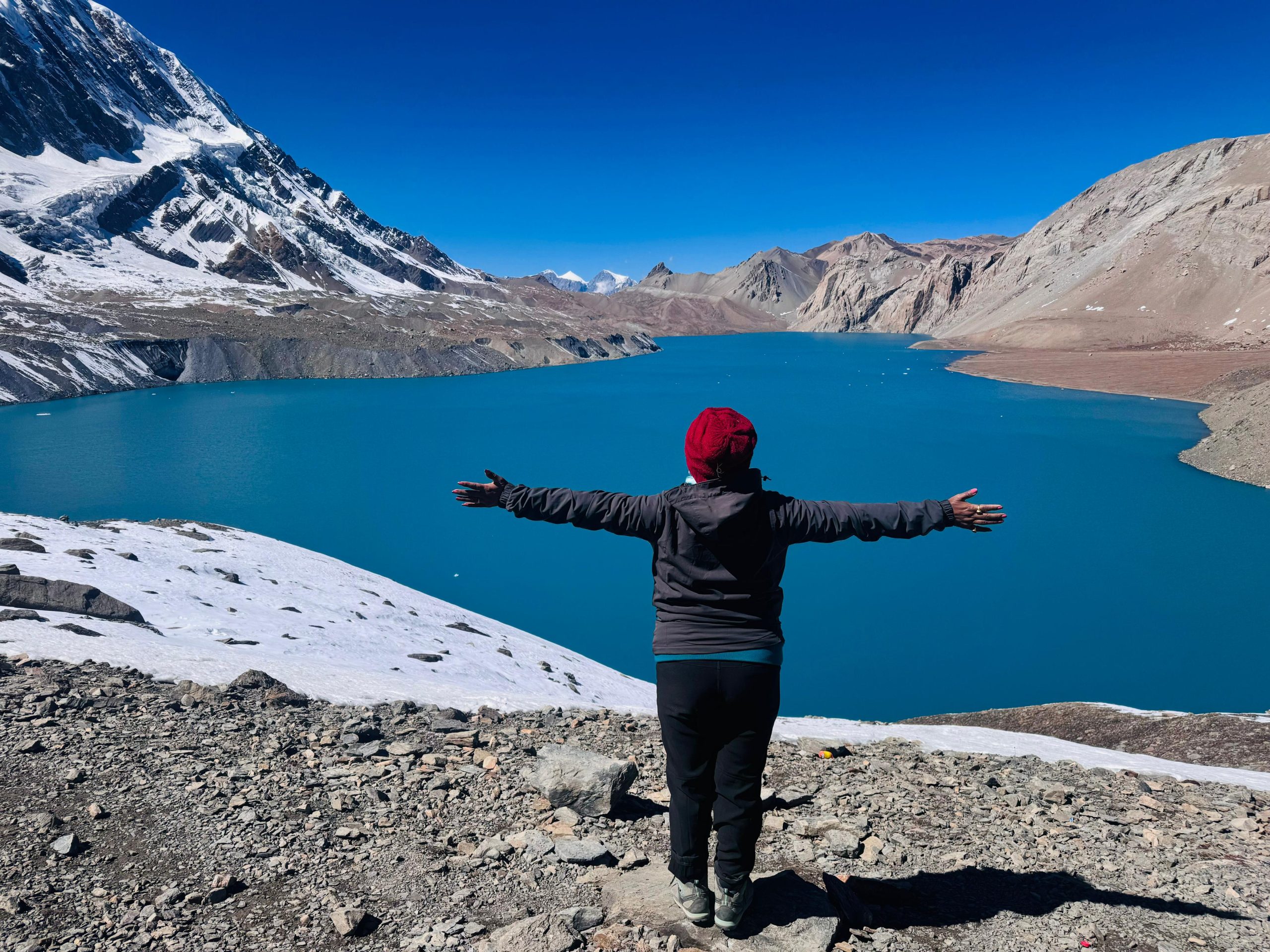
The Tilicho Lake Trek is a remarkable journey to one of the highest lakes in the world, nestled at an altitude of 4,919 meters (16,138 feet) in the Annapurna region of Nepal. Known for its awe-inspiring beauty, Tilicho Lake is framed by towering snow-capped peaks, including Annapurna and Gangapurna, making it a serene and sacred destination for adventure seekers and nature lovers.
This trek enhances the renowned Annapurna Circuit, providing a harmonious mix of stunning landscapes, cultural experiences, and exhilarating challenges. Trekkers will traverse charming villages home to various ethnic groups such as Gurungs, Manangis, and Thakalis, enriching their cultural journey. The path also navigates difficult mountain passes, thick forests, and alpine meadows, guaranteeing an unforgettable adventure deep within the Himalayas.
How long does it take to trek to Tilicho Lake?
The trek to Tilicho Lake typically takes 9 to 14 days for a round trip from Kathmandu, depending on your itinerary and acclimatization. The journey to the lake itself from the trailhead involves 4-6 days of walking to reach Tilicho Lake Base Camp, with an additional early morning hike to the lake (4919m), one of the world’s highest. This timeline allows for proper altitude adjustment and includes the stunning detour from the classic Annapurna Circuit trail.
What is the Maximum Altitude of Tilicho Late Trek?
What is the Maximum Altitude of Tilicho Lake? Situated in the Annapurna range, Tilicho Lake rests at a breathtaking 4,919 meters (16,138 feet) above sea level, making it one of the world’s highest freshwater lakes and a challenging yet rewarding highlight of the Annapurna Circuit Trek.
What is the Difficulty Level of Tilicho Lake?
The trek to Tilicho Lake is considered moderate to challenging, primarily due to its high altitude of 4,919 meters, steep and rocky trails, and potential for rapidly changing weather conditions. While the walking days are not excessively long, the ascent demands good physical fitness, prior acclimatization, and experience with high-altitude trekking. The final section to the lake itself involves a steep, exposed climb, making it essential for trekkers to be well-prepared.
What are the Best Seasons to Visit Tilicho Lake Trek?
The ideal times to trek to Tilicho Lake are during Spring (March to May) and Autumn (September to November). These seasons offer stable weather, clear skies, and moderate temperatures, ensuring safe and spectacular views of the Himalayan landscapes. While spring showcases vibrant rhododendron blooms, autumn provides pristine mountain vistas and is the most popular season for this challenging high-altitude adventure.
General Facts about Tilicho Lake Trek
Location: Annapurna Conservation Area, Nepal
Highest Point: Tilicho Lake (4,919 meters), Thorong La Pass (optional, 5,416 meters)
Trek Type: Lodge-based tea houses
Start/End Point: Kathmandu (Start) and Pokhara (End)
Total Distance: Approximately 160-230 km (including the Annapurna Circuit route)
Permits Required: TIMS (Trekkers’ Information Management System) and Annapurna Conservation Area Permit (ACAP)
Itinerary for the Tilicho Lake Trek With Annapurna Circuit Trek
Day 1: Arrival in Kathmandu (1,400m)
Day 2: Drive from Kathmandu to Chamje (1,410m)
Day 3: Trek from Chamje to Dharapani (1,960m)
Day 4: Trek from Dharapani to Chame (2,710m)
Day 5: Trek from Chame to Pisang (3,300m)
Day 6: Trek from Pisang to Manang (3,540m)
Day 7: Acclimatization Day at Manang
Day 8: Trek from Manang to Siri Kharka (4,060m)
Day 9: Trek from Siri Kharka to Tilicho Base Camp (4,150m)
Day 10: Trek to Tilicho Lake (4,919m) and Back to Siri Kharka
Day 11: Trek from Siri Kharka to Yak Kharka (4,050m)
Day 12: Trek from Yak Kharka to Thorong Phedi (4,600m)
Day 13: Cross Thorong La Pass (5,416m) and Descend to Muktinath (3,800m)
Day 14: Drive to Jomsom, Fly to Pokhara, Explore Pokhara City
Day 15: Drive/ Fly back to Kathmandu
Day 16: Final Departure or Adon trips
Highlights of Tilicho Lake Trek
The Tilicho Lake Trek offers a diverse range of natural, cultural, and spiritual experiences. Here are the top highlights and attractions of this incredible journey:
- Tilicho Lake (4,919m) —The Highest Lake in the World
The main attraction of the trek is reaching Tilicho Lake, one of the highest lakes in the world, situated at an altitude of 4,919 meters. The turquoise blue waters of the lake, surrounded by towering snow-capped peaks like Tilicho Peak and Annapurna, offer a breathtaking view.
Why It’s Special: Tilicho Lake is not only a place of natural beauty but also holds religious significance for Hindus and Buddhists. It’s considered a sacred spot in the Ramayana, where the sages believed the lake to be the ancient Kak Bhusundi Lake.
- Thorong La Pass (5,416m)
Crossing Thorong La Pass, one of the highest trekking passes in the world, offers a thrilling challenge for adventurers. While it is optional on the Tilicho trek, many trekkers extend their journey to include this famous Annapurna Circuit route.
Why It’s Special: The panoramic views of the surrounding Himalayan giants like Dhaulagiri, Annapurna, and Manaslu from the pass are simply awe-inspiring, making it a favourite among trekkers.
- Annapurna and Gangapurna Range
The trek offers continuous, stunning views of some of the most famous peaks in the world, including Annapurna II, Annapurna III, Annapurna IV, Gangapurna, and Pisang Peak.
Why It’s Special: These mountain views are not just distant; they dominate the landscape, providing close-up views as you ascend through different sections of the trail.
- Cultural Insights – Gurung, Thakali, and Manangi Communities
The trek passes through traditional villages inhabited by ethnic communities such as the Gurungs, Thakalis, and Manangis, offering an opportunity to experience their unique culture, architecture, and hospitality.
Why It’s Special: Interactions with local villagers, visits to ancient monasteries, and witnessing the traditional Tibetan-Buddhist culture provide trekkers with an enriching cultural experience alongside the natural beauty.
- Manang Valley (3,540m) – Himalayan Lifestyle
The picturesque village of Manang is a key stop along the trek, offering dramatic views of the Annapurna range and a glimpse into the lives of the high-altitude Himalayan people.
Why It’s Special: Manang is an important acclimatisation stop, and trekkers can explore its rich culture, including a visit to Braga Monastery, one of the oldest in the region. The Himalayan Rescue Association also offers talks on altitude sickness here.
- Braga Monastery
Braga, forty five minutes from Manang, is a small Himalayan village. You can make out its attribute monastery, which is one of the oldest in the region. Inside are hundreds of Buddha statues, and the view from the roof is a highlight. The monks task to Kathmandu in October for teaching, and nearby villagers look after the monastery. If you come at this time, you’ll need to locate the key – which can take up to an hour and includes a lot of commotion whilst the key-holder is found.
This ancient monastery, situated near Manang, is a significant cultural landmark on the trek. It offers trekkers an opportunity to explore Tibetan-Buddhist art, prayer wheels, and stupas.
Why It’s Special: Braga Monastery is perched on a cliff, providing spectacular views of the Manang Valley and Annapurna ranges. It is also a spiritual place where trekkers can pause to reflect.
- Diverse Landscapes
The Tilicho Lake Trek offers an incredible variety of landscapes, ranging from lush subtropical forests, terraced farmlands, and rhododendron forests to alpine meadows, barren high-altitude deserts, and rocky, steep ascents.
Why It’s Special: The trail transitions through a wide range of ecosystems, each offering its own unique beauty, from green valleys to arid mountains, making the trek visually and physically diverse.
- Tilicho Base Camp – Rugged Beauty
The trek to Tilicho Base Camp, a remote and rugged section of the journey, is both challenging and rewarding, offering trekkers a raw Himalayan experience.
Why It’s Special: The isolated beauty and tranquillity of Tilicho Base Camp allow trekkers to truly disconnect from the world and be immersed in the Himalayan wilderness.
Kali Gandaki Gorge – The Deepest Gorge in the World
The trail passes through the Kali Gandaki Gorge, which is flanked by the massive peaks of Annapurna and Dhaulagiri, making it the deepest gorge in the world. This natural wonder is one of the highlights of the descent towards Jomsom, offering stark contrasts between towering peaks and the deep river valley.
- Wildlife and Flora
The Annapurna region is home to various wildlife, including blue sheep, Himalayan Thar, snow leopards (rare sightings), and a range of birds such as the Himalayan Griffon and lammergeier. The trek also passes through forests filled with rhododendrons, pine, juniper, and birch.
Why It’s Special: The opportunity to witness the flora and fauna of the Annapurna Conservation Area adds to the allure of the trek.
- Tibetan Buddhist Culture and Heritage
Throughout the trek, trekkers will encounter Tibetan-style villages, prayer flags, mani walls (stone walls with Buddhist prayers), and ancient monasteries that reflect the rich cultural heritage of the region.
Why It’s Special: The deep connection between the local people and their Buddhist beliefs is evident in their daily lives and practices, enriching the trek with spiritual and cultural significance.
The Tilicho Lake Trek offers a diverse adventure that combines exciting high-altitude obstacles with cultural engagement, breathtaking landscapes, and enriching spiritual experiences.

All Categories
- Adventure
- Adventure in Nepal
- Annapurna Region
- Blogs
- Everest Region
- Hiking In Nepal
- kailash mansarovar
- Kanchenjunga Region
- Langtang Region
- Life Style
- Manaslu region
- Nepal Tour
- Nepali Festival
- News
- Peak Climbing in Nepal
- Rafting in Nepal
- Religion in Nepal
- Tibet
- Tibet Travel
- Tibet Travel
- Travel Guide
- Trekking in Nepal
- Tsum valley trek
- Uncategorized
- Wild Camping
- Yoga & Meditation in Nepal