Kilimanjaro Climbing (5,895m)
Duration
Tour Type
Explore Tours
Country
Tanzania
Duration
10
Trip Grade
Moderate to Strenuous
Altitude
5895m/19340ft
Group Size
1-10
Accomodation
Lodge/Camping
Co-ordinates
3.0758°S, 37.3533°E
Activity
Trekking
Trek Style
Lodge/Camping
Transportation
Private Transport
Culture
Chagga tribe of Tanzania
Airport
Dar es Salaam Airport (JNIA)
Route
Lemosho & Machame
Kilimanjaro Climbing (5,895m): Africa’s Roof and the Ultimate High-Altitude Trekking Experience
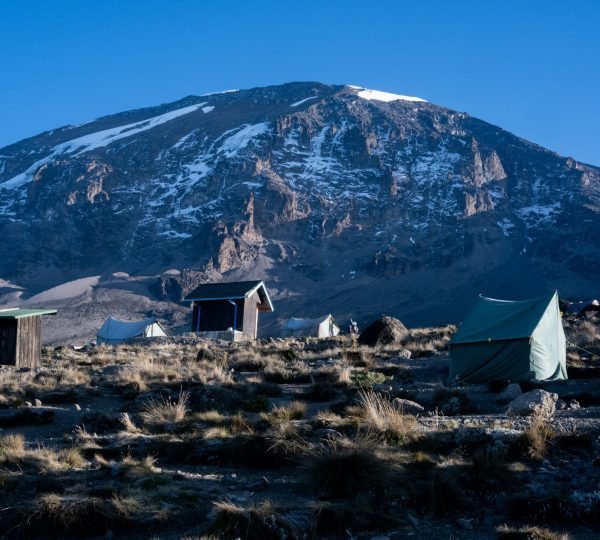
Kilimanjaro climbing offers one of the world’s most iconic trekking adventures, taking hikers through five distinct ecosystems—from lush rainforests to arctic-like glaciers—on their journey to Africa’s highest peak (5,895m). Unlike technical mountaineering peaks, Kilimanjaro climbing requires no ropes or prior experience, making it the most accessible of the Seven Summits, though proper acclimatization and fitness remain critical for success.
The Lemosho and Machame routes provide the highest summit rates (90%+ with 7-8 day itineraries), while summit night’s steep, oxygen-thin ascent to Uhuru Peak at sunrise becomes a life-defining achievement. With expert guides, emergency oxygen, and eco-friendly practices, Kilimanjaro climbing delivers a challenging yet achievable high-altitude experience amidst breathtaking African landscapes.
Rising majestically from the Tanzanian plains, Mount Kilimanjaro stands as the world’s highest free-standing mountain and one of the most accessible “Seven Summits” for aspiring adventurers. Unlike technical Himalayan climbs, Kilimanjaro requires no prior mountaineering experience, making it ideal for fit trekkers seeking their first high-altitude challenge.
The mountain offers seven distinct routes, ranging from the scenic Lemosho Route (8 days, high success rate) to the faster but steeper Machame Route (6 days, “Whiskey Route“), each winding through lush rain forests, alpine meadows, and surreal volcanic landscapes like the Barranco Wall and Shira Plateau. Summit night on the Uhuru Peak glacier demands mental endurance, with a 6-8 hour midnight ascent through freezing temps and thin air—but rewards climbers with a sunrise over the African savanna unlike any other.
How Hard is Kilimanjaro Climbing? The Truth About Africa’s Highest Peak
Kilimanjaro climbing is physically demanding but technically straightforward, earning a difficulty rating of “moderate to strenuous” due to altitude rather than technical climbing. Unlike Everest or K2, Kilimanjaro requires no ropes, ice axes, or prior mountaineering experience—just strong endurance for 5-7 hour daily hikes over rugged terrain. The real challenge lies in altitude adaptation, as the summit push to Uhuru Peak (5,895m) involves a grueling 6-8 hour midnight ascent in freezing temperatures with 50% less oxygen than sea level. Success depends on:
- Route choice (7-9 day routes like Lemosho have 90% success vs. 60% on 5-day routes)
- Fitness level (ability to hike 6+ hours/day with a 10-15lb pack)
- Acclimatization strategy (“climb high, sleep low” is critical)
- Weather resilience (-20°C/-4°F temps at summit)
While any determined trekker can summit, proper training (3-6 months of cardio/leg strength) and choosing a reputable operator with medical checks/emergency oxygen boosts your odds. Kilimanjaro isn’t a “walk-up” peak—but with preparation, it’s the most achievable of the Seven Summits.
Why Kilimanjaro Climbing with Us?
Our 98% success rate comes from small groups (max 10 climbers), certified guides, and acclimatization-focused itineraries. We include medical oxygen, emergency evacuation, and eco-conscious camping to ensure safety and sustainability. Whether you’re a solo trekker or corporate team, Kilimanjaro offers a life-changing adventure—no ropes or ice axes needed, just determination and the right preparation.

Tour Plan
Included
- Round transfer from Kilimanjaro Airport to Moshi on Sharing basis
- 3 nights accommodation at hotel in Moshi on Twin sharing basis with breakfast
- Best rated, High Quality Two-men tent while Kilimanjaro Climbing
- Breakfast at Hotel, Full board basis (Breakfast/ Lunch/ Dinner) while climbing period
- Full climbing arrangement with all necessary services included, Certified Local mountain guide
- Extra Supporting guide for summit night, Porters to carry your personal gear, shared equipment
- Common equipment:s like tents, dining tents, toilet tents, etc
- Entrance fee and climbing permit for Kilimanjaro National Park
Excluded
- Any International Flights, Flight to and from Kilimanjaro International Airport (Please advise for Joint reservation)
- All Personal expenses, pocket money and expenses for drinks, bar bills, telephone, laundry or any other personal expenses
- Cost of not included meals (approx. USD 6–12 per meal)
- Gratuities for porters and local guides (USD 280 — cash)
- Visa expenses of USD 50 (Cna be applied Online, please advise for assistance)
- Travel insurance and cancellation insurance (Compulsory)
- Cost of a single room in Moshi (approx. USD 80-90 per night)
- Any other items not mentioned on above include section
Location
Find a route from your location
Frequently Asked Question (FAQ)
Travel For Cause
At Great Nepal Trek, your adventure directly fuels positive change. We are proud to allocate 10% from every tour booked with us to our Initiative Inclusion Development Forum Nepal. This dedicated commitment channels vital funds directly into supporting education and healthcare for underprivileged children from the Himalayan communities we explore. By trekking with us, you're not just witnessing the majestic mountains—you're actively helping to build a brighter, healthier future for its next generation.
What makes us different?
Changing Community Through Tourism
Travel for Cause - 10% of every booking amount goes to our CSR initiative, Inclusive Women Development Forum (IWDFN), educating and provide lively hood training to the women and children from Under preveliged society in Rural Nepal.
Sustainable Tourism
At Great Nepal Treks, we believe adventure should protect and empower. Our treks are designed to minimize environmental impact (zero-waste policies, solar-powered teahouses) and maximize community benefits—hiring local guides, sourcing supplies from village cooperatives, and funding education projects. When you travel with us, your journey supports conservation and cultural preservation across the Himalayas.